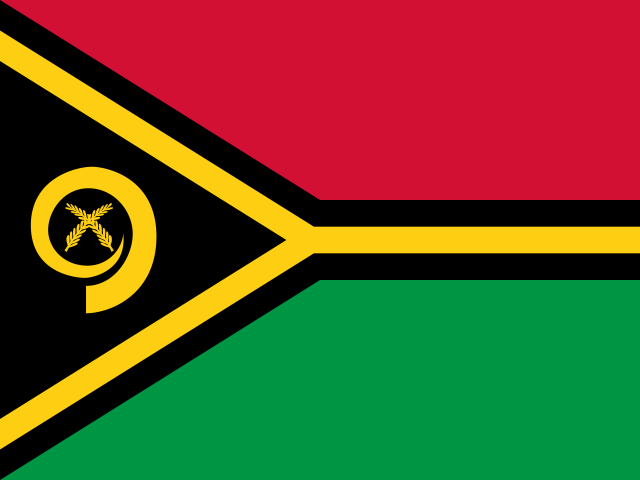
Flagge von Vanuatu

Vanuatu: Hauptstadt, Einwohner, Fläche und Flagge

Vanuatu ist ein Land in Melanesien (Ozeanien). Die Hauptstadt ist Port Vila. Die Einwohnerzahl beträgt etwa 335.000 (Platz 172 von 193), die Fläche etwa 12.189 km² (Platz 157 von 193).

Wichtige Fakten

Hauptstadt
Port Vila
Region
Ozeanien / Melanesien
Einwohnerzahl
335.169 (2025) Platz 172 von 193
Gesamtfläche
12.189 km² (2024) Platz 157 von 193
Bevölkerungsdichte
26,9 Einwohner/km² (2024) Platz 156 von 193
Bruttoinlandsprodukt (BIP) insgesamt
1,35 Mrd. $ (2025) Platz 177 von 189
BIP pro Kopf
4.039 $ (2025) Platz 130 von 189
Lebenserwartung
71,7 Jahre (2024) Platz 119 von 193
Entfernung von Japan
6.662 km Platz 159 von 192
Fläche im Vergleich zu Japan
etwa 1/31 von Japan
Bevölkerung im Vergleich zu Japan
etwa 1/370 von Japan
Hauptsprachen
Bislama, Englisch, Französisch
Währung
Vanuatu-Vatu (VUV)
Landesvorwahl
+678
Zeitzone (Hauptstadt)
UTC+11
Zeitunterschied zu Japan (Normalzeit)
2 Std. später als in Japan
Fahrtrichtung
Rechtsverkehr
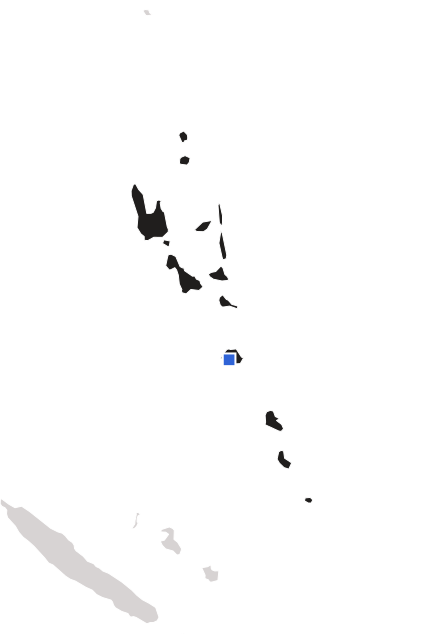
Lage der Hauptstadt
17.73°S 168.32°E

Karte von Vanuatu

Karte von Vanuatu

Hauptstadt: Port Vila

Nachbarländer an Land

Vanuatu hat keine Landgrenzen zu anderen Ländern.

Spitzenplätze

Vanuatu gehört zu den Top 10 bei:

Vanuatu in den Weltranglisten

So schneidet Vanuatu im Vergleich mit anderen Ländern ab, Kennzahl für Kennzahl. Eine Kennzahl anklicken, um die ganze Rangliste zu sehen.

KennzahlWertJahrPlatz
Geografie & Natur
Gesamtfläche12.189 km²2024Platz 157 von 193
Anzahl der Landgrenzen0Platz 155 von 193 gleichauf
Breitengrad der Hauptstadt-17,7°Platz 175 von 193
Entfernung von Japan6.662 kmPlatz 159 von 192
Waldfläche (Anteil an der Landfläche)74,6 %2024Platz 11 von 193
Ackerland (Anteil an der Landfläche)1,6 %2024Platz 167 von 190
Schutzgebiete an Land (Anteil an der Landfläche)4,8 %2025Platz 166 von 192
Landwirtschaftsfläche (Anteil an der Landfläche)13,3 %2024Platz 162 von 192
Durchschnittlicher Jahresniederschlag2.000 mm2022Platz 32 von 180
Süßwasservorkommen pro Kopf31.944 m³2022Platz 17 von 181
Waldfläche9.074 km²2025Platz 129 von 193
Meeresschutzgebiete (Anteil an den Hoheitsgewässern)0,0 %2025Platz 136 von 153 gleichauf
Menschen & Bevölkerung
Einwohnerzahl335.1692025Platz 172 von 193
Bevölkerungsdichte26,9 Einwohner/km²2024Platz 156 von 193
Bevölkerungswachstum2,23 %2025Platz 35 von 193
Stadtbevölkerung (Anteil der Bevölkerung)22,3 %2025Platz 185 von 193
Lebenserwartung71,7 Jahre2024Platz 119 von 193
Fertilitätsrate (Kinder pro Frau)3,57 Geburten pro Frau2024Platz 42 von 193
Säuglingssterblichkeit14,4 pro 1.000 Geburten2024Platz 88 von 192
Geburtenrate (pro 1.000 Einwohner)27,7 pro 1.000 Einwohner2024Platz 40 von 193
Anteil der Menschen ab 65 Jahren4,4 %2025Platz 135 von 193
Anteil der Kinder von 0 bis 14 Jahren38,0 %2025Platz 34 von 193
Lebenserwartung der Frauen74,1 Jahre2024Platz 120 von 193
Lebenserwartung der Männer69,6 Jahre2024Platz 111 von 193
Müttersterblichkeit100 pro 100.000 Geburten2023Platz 66 von 192
Sterberate (pro 1.000 Einwohner)5,0 pro 1.000 Einwohner2024Platz 172 von 193
Sterblichkeit von Kindern unter 5 Jahren (pro 1.000 Geburten)17,1 pro 1.000 Geburten2024Platz 86 von 192
Bevölkerung im Alter von 15 bis 64 Jahren (Anteil der Bevölkerung)57,7 %2025Platz 162 von 193
Wirtschaft
Bruttoinlandsprodukt (BIP) insgesamt1,35 Mrd. $2025Platz 177 von 189
BIP pro Kopf4.039 $2025Platz 130 von 189
BIP pro Kopf (Kaufkraftparität)4.525 $2025Platz 157 von 185
Wirtschaftswachstum3,1 %2025Platz 100 von 188
Inflationsrate0,7 %2025Platz 155 von 179
Arbeitslosenquote5,1 %2025Platz 91 von 178
Exporte (Anteil am BIP)25,3 %2024Platz 113 von 168
Importe (Anteil am BIP)48,0 %2024Platz 74 von 168
Landwirtschaft (Anteil am BIP)26,6 %2024Platz 17 von 184
Industrie (Anteil am BIP)10,1 %2024Platz 178 von 185
Dienstleistungen (Anteil am BIP)56,8 %2024Platz 100 von 185
Einkommensungleichheit (Gini-Koeffizient)32,3 (0–100)2019Platz 100 von 149 gleichauf
Warenexporte (insgesamt)78 Mio. $2025Platz 176 von 190
Überweisungen von Arbeitskräften im Ausland (Anteil am BIP)17,2 %2022Platz 16 von 170
Frauen im Erwerbsleben (Anteil der Frauen)53,3 %2025Platz 91 von 178
Jugendarbeitslosigkeit11,3 %2025Platz 98 von 178
Getreideproduktion985 t2024Platz 163 von 177
Getreideertrag (pro Hektar Anbaufläche)636 kg/ha2024Platz 169 von 175
Fisch- und Meeresfrüchteproduktion (Fang + Zucht)44.428 t2024Platz 112 von 193
Fischfang (aus Meer, Flüssen und Seen)44.422 t2024Platz 105 von 193
Aquakultur (gezüchtete Fische und Meeresfrüchte)6 t2024Platz 174 von 193
Wachstum der Tierproduktion (2014–16 = 100)78,8 (Durchschnitt 2014–16 = 100)2024Platz 179 von 187
Düngemitteleinsatz (pro Hektar Ackerland)1 kg/ha2024Platz 183 von 187
Verarbeitendes Gewerbe (Anteil am BIP)4,0 %2024Platz 158 von 178
Beschäftigung in der Landwirtschaft (Anteil der Beschäftigten)44,5 %2025Platz 31 von 178
Ausländische Direktinvestitionen, Zuflüsse (Anteil am BIP)2,4 %2025Platz 79 von 187
Erhaltene Entwicklungshilfe (Anteil am Nationaleinkommen)11,6 %2023Platz 19 von 132
Erwerbspersonen (Anzahl)120.8332025Platz 173 von 178
Reserven an Devisen und Gold615 Mio. $2024Platz 147 von 169
Extreme Armut (Anteil der Menschen mit weniger als 3,00 $ pro Tag)19,5 %2019Platz 28 von 132
Alltag & Technik
Mobilfunkverträge89,3 pro 100 Einwohner2023Platz 144 von 193
Zugang zu Strom (Anteil der Bevölkerung)65,5 %2024Platz 159 von 193
Gesundheitsausgaben (Anteil am BIP)4,1 %2023Platz 152 von 192
Bildungsausgaben (Anteil am BIP)7,6 %2024Platz 10 von 179
Ärztedichte0,16 pro 1.000 Einwohner2019Platz 168 von 188
Frauenanteil im Parlament1,9 %2025Platz 189 von 192
Festnetz-Breitbandanschlüsse1,2 pro 100 Einwohner2024Platz 151 von 192
Beförderte Flugpassagiere359.2902023Platz 119 von 152
Sicheres Trinkwasser (Anteil der Bevölkerung)19,2 %2024Platz 124 von 136
Unterernährung (Anteil der Bevölkerung)5,8 %2024Platz 73 von 165
Saubere Brennstoffe zum Kochen (Anteil der Bevölkerung)20,0 %2024Platz 161 von 192
Verkehrstote14,9 pro 100.000 Einwohner2019Platz 95 von 183 gleichauf
Masernimpfung (Anteil der Kinder)61,0 %2024Platz 178 von 192
Besuch weiterführender Schulen (Bruttoquote)134,7 %2023Platz 6 von 180
Abschlussquote der Grundschule113,4 %2024Platz 5 von 172
Pflegekräfte und Hebammen (pro 1.000 Einwohner)1,46 pro 1.000 Einwohner2019Platz 150 von 190
Tuberkulosefälle (pro 100.000 Einwohner)44 pro 100.000 Einwohner2024Platz 98 von 191 gleichauf
Gesundheitsausgaben pro Kopf143 $2023Platz 135 von 192
Containerumschlag in Häfen (TEU)77.436 TEU2019Platz 123 von 150
Umwelt
Strom aus erneuerbaren Energien (Anteil der Stromerzeugung)25,2 %2021Platz 94 von 187
CO₂-Emissionen pro Kopf0,9 t CO₂-Äquivalent pro Kopf2024Platz 133 von 186
CO₂-Emissionen (insgesamt)0,3 Mt CO₂-Äquivalent2024Platz 175 von 186
Luftverschmutzung (Feinstaub PM2,5)7,0 µg/m³2023Platz 173 von 192
Erneuerbare Energien (Anteil am Endenergieverbrauch)25,0 %2022Platz 92 von 191 gleichauf
Strom aus Kernenergie (Anteil am gesamten Strom)0,0 %2021Platz 33 von 190 gleichauf
Strom aus Wasserkraft (Anteil am gesamten Strom)10,7 %2021Platz 96 von 190
Treibhausgasemissionen (insgesamt)0,6 Mt CO₂-Äquivalent2024Platz 171 von 186
Ernährung & Landwirtschaft
Mais: Produktion985 t2024Platz 147 von 160
Kartoffeln: Produktion3 t2024Platz 150 von 150
Maniok: Produktion10.050 t2024Platz 69 von 92
Süßkartoffeln: Produktion11.830 t2024Platz 67 von 105
Yams: Produktion42.060 t2024Platz 28 von 56
Erdnüsse: Produktion1.882 t2024Platz 83 von 108
Kokosnüsse: Produktion365.332 t2024Platz 17 von 79
Tomaten: Produktion500 t2024Platz 150 von 164
Kohl: Produktion25.960 t2024Platz 89 von 143
Karotten (mit Speiserüben): Produktion50 t2024Platz 125 von 129
Gurken (mit Cornichons): Produktion7.160 t2024Platz 91 von 130
Salat (mit Chicorée): Produktion20 t2024Platz 98 von 102
Zitronen (mit Limetten): Produktion930 t2024Platz 85 von 101
Bananen: Produktion17.871 t2024Platz 81 von 113
Mangos (mit Guaven und Mangostanen): Produktion7.600 t2024Platz 61 von 96
Ananas: Produktion3.800 t2024Platz 61 von 82
Wassermelonen: Produktion205.000 t2024Platz 39 von 119
Avocados: Produktion5.600 t2024Platz 46 von 70
Kaffee: Produktion13 t2024Platz 71 von 74
Kakaobohnen: Produktion1.500 t2024Platz 32 von 58 gleichauf
Zuckerrohr: Produktion1.800 t2024Platz 87 von 93
Schwarzer Pfeffer (Piper spp.): Produktion2 t2024Platz 45 von 45
Ingwer: Produktion180 t2024Platz 33 von 40
Rindfleisch: Produktion2.022 t2024Platz 151 von 181
Schweinefleisch: Produktion2.809 t2024Platz 117 von 164
Hühnerfleisch: Produktion548 t2024Platz 169 von 183
Kuhmilch: Produktion3.100 t2024Platz 163 von 178
Hühnereier: Produktion642 t2024Platz 155 von 167
Honig: Produktion2 t2024Platz 122 von 122
Ziegenfleisch: Produktion19 t2024Platz 153 von 164
Nil-Tilapien: Produktion6 t2024Platz 73 von 79 gleichauf
Echte Bonitos (Skipjack): Produktion24.837 t2024Platz 29 von 82
Gelbflossen-Thunfische: Produktion4.972 t2024Platz 40 von 82
Großaugen-Thunfische: Produktion4.138 t2024Platz 18 von 68
Weiße Thunfische (Albacore): Produktion2.905 t2024Platz 11 von 60
Schwertfische: Produktion398 t2024Platz 32 von 76
Krabben: Produktion300 t2024Platz 56 von 97
Venusmuscheln und Herzmuscheln: Produktion170 t2024Platz 37 von 55
Kalmare, Sepien und Kraken: Produktion2.511 t2024Platz 48 von 102
Thunfische, Bonitos und Schwertfischartige: Produktion37.784 t2024Platz 40 von 133
Tilapien und andere Buntbarsche: Produktion6 t2024Platz 106 von 119
Seeigel, Seegurken und andere Stachelhäuter: Produktion35 t2024Platz 32 von 48
Haie und Rochen: Produktion511 t2024Platz 70 von 127
Rinder: Anzahl der Tiere89.000 Tiere2024Platz 149 von 183
Schweine: Anzahl der Tiere76.165 Tiere2024Platz 117 von 165
Hühner: Anzahl der Tiere436.000 Vögel2024Platz 166 von 181
Schafe: Anzahl der Tiere1.260 Tiere2024Platz 173 von 173
Ziegen: Anzahl der Tiere9.509 Tiere2024Platz 161 von 180
Pferde: Anzahl der Tiere2.416 Tiere2024Platz 115 von 143

Fragen zu Vanuatu

Was ist die Hauptstadt von Vanuatu?

Die Hauptstadt von Vanuatu ist Port Vila.

Wie viele Einwohner hat Vanuatu?

Die Einwohnerzahl von Vanuatu beträgt etwa 335.000 (2025). Im Weltvergleich: Platz 172 von 193.

Wie groß ist Vanuatu?

Die Fläche von Vanuatu beträgt etwa 12.189 km². Im Weltvergleich: Platz 157 von 193.

Auf welchem Kontinent liegt Vanuatu?

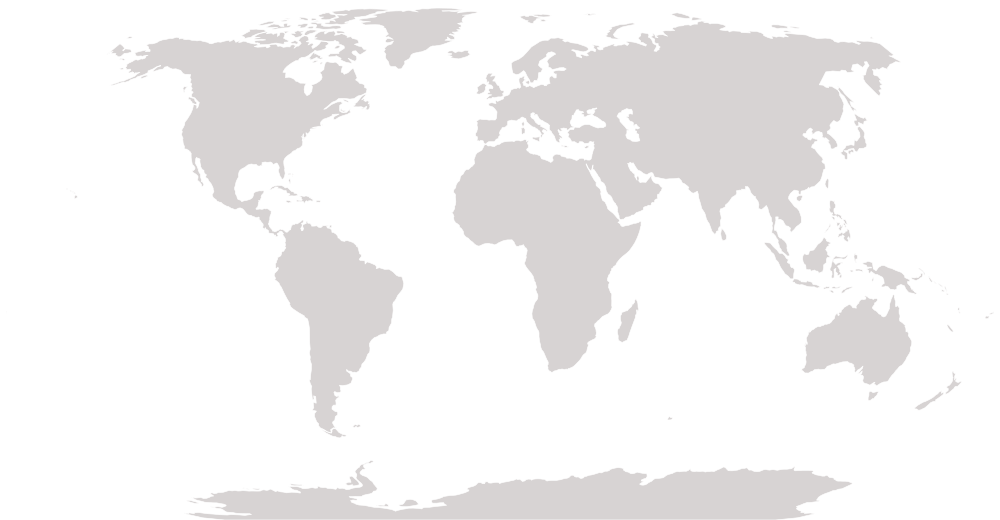
Vanuatu liegt in Ozeanien, in der Region Melanesien.

Welche Währung und welche Sprachen gibt es in Vanuatu?

Währung: Vanuatu-Vatu. Hauptsprachen: Bislama, Englisch, Französisch.

Wie groß ist Vanuatu im Vergleich zu Japan, und wie viele Menschen leben dort?

Die Fläche von Vanuatu beträgt etwa 1/31 von Japan, die Bevölkerung etwa 1/370 von Japan.

Wie weit ist Vanuatu von Japan entfernt?

Die Hauptstadt Port Vila liegt etwa 6.662 km Luftlinie von Tokio, der Hauptstadt Japans, entfernt.

Wie groß ist der Zeitunterschied zwischen Vanuatu und Japan?

Die Hauptstadt Port Vila liegt in der Normalzeit bei UTC+11: 2 Std. später als in Japan.

Weitere Länder in Melanesien
Mit Vanuatu spielen

Im Quiz testen, was Sie gelernt haben.

Kartenpuzzle Quiz Ranglisten

Nach oben