Flagge von Albanien

Albanien: Hauptstadt, Einwohner, Fläche und Flagge

Albanien ist ein Land in Südeuropa (Europa). Die Hauptstadt ist Tirana. Die Einwohnerzahl beträgt etwa 2,35 Mio. (Platz 143 von 193), die Fläche etwa 28.750 km² (Platz 139 von 193).

Wichtige Fakten

Hauptstadt
Tirana
Region
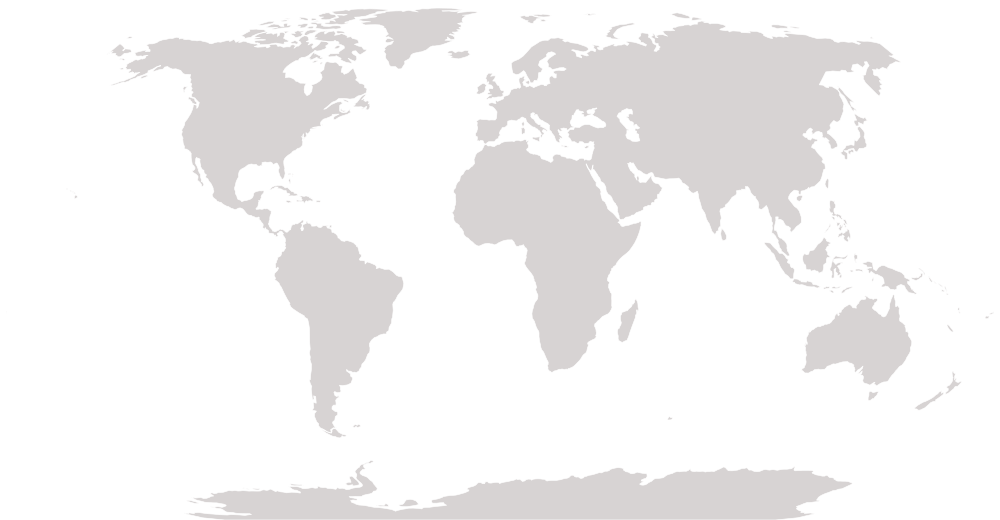
Europa / Südeuropa
Einwohnerzahl
2.349.580 (2025) Platz 143 von 193
Gesamtfläche
28.750 km² (2024) Platz 139 von 193
Bevölkerungsdichte
86,8 Einwohner/km² (2024) Platz 97 von 193
Bruttoinlandsprodukt (BIP) insgesamt
30,5 Mrd. $ (2025) Platz 111 von 189
BIP pro Kopf
12.998 $ (2025) Platz 75 von 189
Lebenserwartung
79,8 Jahre (2024) Platz 42 von 193
Entfernung von Japan
9.488 km Platz 104 von 192
Fläche im Vergleich zu Japan
etwa 1/13 von Japan
Bevölkerung im Vergleich zu Japan
etwa 1/53 von Japan
Hauptsprachen
Albanisch
Währung
Albanischer Lek (ALL)
Landesvorwahl
+355
Zeitzone (Hauptstadt)
UTC+1 (mit Sommerzeit)
Zeitunterschied zu Japan (Normalzeit)
8 Std. früher als in Japan
Fahrtrichtung
Rechtsverkehr
Lage der Hauptstadt
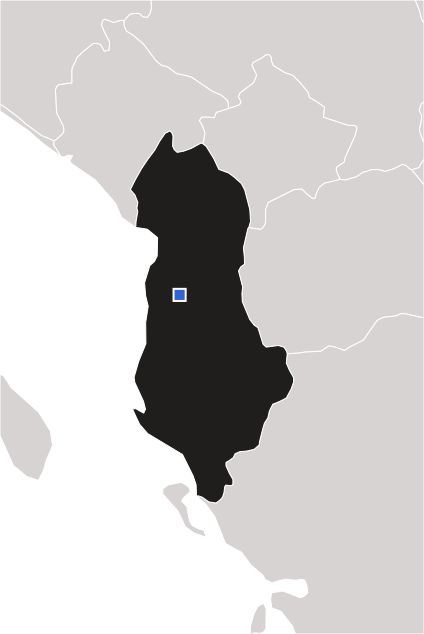
41.33°N 19.82°E

Karte von Albanien

Karte von Albanien

Hauptstadt: Tirana

Nachbarländer an Land

Spitzenplätze

Albanien gehört zu den Top 10 bei:

Albanien in den Weltranglisten

So schneidet Albanien im Vergleich mit anderen Ländern ab, Kennzahl für Kennzahl. Eine Kennzahl anklicken, um die ganze Rangliste zu sehen.

KennzahlWertJahrPlatz
Geografie & Natur
Gesamtfläche28.750 km²2024Platz 139 von 193
Anzahl der Landgrenzen3Platz 80 von 193 gleichauf
Breitengrad der Hauptstadt41,3°Platz 44 von 193
Entfernung von Japan9.488 kmPlatz 104 von 192
Waldfläche (Anteil an der Landfläche)34,3 %2024Platz 90 von 193
Ackerland (Anteil an der Landfläche)21,5 %2024Platz 50 von 190
Schutzgebiete an Land (Anteil an der Landfläche)23,6 %2025Platz 54 von 192 gleichauf
Landwirtschaftsfläche (Anteil an der Landfläche)41,1 %2024Platz 90 von 192
Durchschnittlicher Jahresniederschlag1.485 mm2022Platz 60 von 180
Süßwasservorkommen pro Kopf10.972 m³2022Platz 43 von 181
Waldfläche9.410 km²2025Platz 128 von 193
Meeresschutzgebiete (Anteil an den Hoheitsgewässern)3,4 %2025Platz 68 von 153
Menschen & Bevölkerung
Einwohnerzahl2.349.5802025Platz 143 von 193
Bevölkerungsdichte86,8 Einwohner/km²2024Platz 97 von 193
Bevölkerungswachstum-1,17 %2025Platz 190 von 193
Stadtbevölkerung (Anteil der Bevölkerung)58,9 %2025Platz 114 von 193
Lebenserwartung79,8 Jahre2024Platz 42 von 193
Fertilitätsrate (Kinder pro Frau)1,34 Geburten pro Frau2024Platz 168 von 193
Säuglingssterblichkeit8,3 pro 1.000 Geburten2024Platz 121 von 192 gleichauf
Geburtenrate (pro 1.000 Einwohner)10,1 pro 1.000 Einwohner2024Platz 139 von 193
Anteil der Menschen ab 65 Jahren17,6 %2025Platz 43 von 193
Anteil der Kinder von 0 bis 14 Jahren16,6 %2025Platz 146 von 193
Lebenserwartung der Frauen81,6 Jahre2024Platz 50 von 193
Lebenserwartung der Männer77,9 Jahre2024Platz 41 von 193
Müttersterblichkeit7 pro 100.000 Geburten2023Platz 156 von 192 gleichauf
Stadtbewohner in der größten Stadt (Anteil)38,7 %2025Platz 39 von 149
Sterberate (pro 1.000 Einwohner)8,5 pro 1.000 Einwohner2024Platz 66 von 193
Sterblichkeit von Kindern unter 5 Jahren (pro 1.000 Geburten)9,2 pro 1.000 Geburten2024Platz 127 von 192
Bevölkerung im Alter von 15 bis 64 Jahren (Anteil der Bevölkerung)65,8 %2025Platz 69 von 193
Wirtschaft
Bruttoinlandsprodukt (BIP) insgesamt30,5 Mrd. $2025Platz 111 von 189
BIP pro Kopf12.998 $2025Platz 75 von 189
BIP pro Kopf (Kaufkraftparität)28.221 $2025Platz 73 von 185
Wirtschaftswachstum3,8 %2025Platz 76 von 188
Inflationsrate2,1 %2025Platz 119 von 179
Arbeitslosenquote10,9 %2025Platz 31 von 178
Exporte (Anteil am BIP)37,0 %2025Platz 80 von 168
Importe (Anteil am BIP)42,5 %2025Platz 83 von 168
Landwirtschaft (Anteil am BIP)14,8 %2025Platz 51 von 184
Industrie (Anteil am BIP)21,8 %2025Platz 113 von 185
Dienstleistungen (Anteil am BIP)49,7 %2025Platz 132 von 185
Militärausgaben (Anteil am BIP)2,0 %2025Platz 59 von 155
Einkommensungleichheit (Gini-Koeffizient)29,4 (0–100)2020Platz 124 von 149
Warenexporte (insgesamt)4,35 Mrd. $2025Platz 127 von 190
Überweisungen von Arbeitskräften im Ausland (Anteil am BIP)8,4 %2025Platz 34 von 170
Frauen im Erwerbsleben (Anteil der Frauen)58,6 %2025Platz 56 von 178
Jugendarbeitslosigkeit25,6 %2025Platz 24 von 178
Getreideproduktion649.919 t2024Platz 116 von 177
Getreideertrag (pro Hektar Anbaufläche)5.153 kg/ha2024Platz 38 von 175
Fisch- und Meeresfrüchteproduktion (Fang + Zucht)16.452 t2024Platz 143 von 193
Fischfang (aus Meer, Flüssen und Seen)9.074 t2024Platz 139 von 193
Aquakultur (gezüchtete Fische und Meeresfrüchte)7.378 t2024Platz 93 von 193
Wachstum der Tierproduktion (2014–16 = 100)74,9 (Durchschnitt 2014–16 = 100)2024Platz 183 von 187
Düngemitteleinsatz (pro Hektar Ackerland)66 kg/ha2024Platz 105 von 187
Verarbeitendes Gewerbe (Anteil am BIP)6,0 %2025Platz 139 von 178
Beschäftigung in der Landwirtschaft (Anteil der Beschäftigten)30,8 %2025Platz 58 von 178
Hightech-Exporte (Anteil an den Exporten von Industriewaren)1,5 %2024Platz 137 von 168
Ausländische Direktinvestitionen, Zuflüsse (Anteil am BIP)6,1 %2025Platz 31 von 187
Erhaltene Entwicklungshilfe (Anteil am Nationaleinkommen)1,6 %2023Platz 78 von 132
Erwerbspersonen (Anzahl)1.259.1722025Platz 137 von 178
Reserven an Devisen und Gold8,6 Mrd. $2025Platz 86 von 169
Extreme Armut (Anteil der Menschen mit weniger als 3,00 $ pro Tag)0,3 %2020Platz 101 von 132 gleichauf
Alltag & Technik
Internetnutzer (Anteil der Bevölkerung)85,9 %2024Platz 75 von 186
Mobilfunkverträge89,1 pro 100 Einwohner2024Platz 145 von 193
Zugang zu Strom (Anteil der Bevölkerung)100,0 %2024Platz 1 von 193 gleichauf
Gesundheitsausgaben (Anteil am BIP)7,1 %2023Platz 83 von 192
Bildungsausgaben (Anteil am BIP)3,1 %2023Platz 135 von 179
Krankenhausbetten2,9 pro 1.000 Einwohner2020Platz 64 von 157
Ärztedichte1,88 pro 1.000 Einwohner2020Platz 90 von 188
Forschungsausgaben (Anteil am BIP)0,20 %2022Platz 95 von 130
Frauenanteil im Parlament35,0 %2025Platz 47 von 192 gleichauf
Studierende an Universitäten und Hochschulen84,1 %2024Platz 18 von 163
Festnetz-Breitbandanschlüsse24,9 pro 100 Einwohner2024Platz 66 von 192
Beförderte Flugpassagiere374.8002023Platz 118 von 152
Sicheres Trinkwasser (Anteil der Bevölkerung)70,8 %2024Platz 72 von 136
Sichere Sanitärversorgung (Anteil der Bevölkerung)69,3 %2024Platz 61 von 136
Unterernährung (Anteil der Bevölkerung)5,6 %2024Platz 75 von 165
Saubere Brennstoffe zum Kochen (Anteil der Bevölkerung)89,0 %2024Platz 109 von 192 gleichauf
Verkehrstote11,7 pro 100.000 Einwohner2019Platz 118 von 183 gleichauf
Masernimpfung (Anteil der Kinder)81,0 %2024Platz 140 von 192 gleichauf
Besuch weiterführender Schulen (Bruttoquote)108,4 %2024Platz 27 von 180
Abschlussquote der Grundschule107,3 %2024Platz 11 von 172
Pflegekräfte und Hebammen (pro 1.000 Einwohner)5,82 pro 1.000 Einwohner2020Platz 62 von 190
Tuberkulosefälle (pro 100.000 Einwohner)15 pro 100.000 Einwohner2024Platz 129 von 191 gleichauf
Gesundheitsausgaben pro Kopf591 $2023Platz 80 von 192
Containerumschlag in Häfen (TEU)184.017 TEU2023Platz 106 von 150
Umwelt
CO₂-Emissionen pro Kopf1,8 t CO₂-Äquivalent pro Kopf2024Platz 108 von 186
CO₂-Emissionen (insgesamt)4,2 Mt CO₂-Äquivalent2024Platz 138 von 186
Luftverschmutzung (Feinstaub PM2,5)15,5 µg/m³2023Platz 113 von 192
Energieverbrauch pro Kopf888 kg Öläquivalent pro Kopf2024Platz 92 von 146
Erneuerbare Energien (Anteil am Endenergieverbrauch)41,9 %2021Platz 57 von 191 gleichauf
Stromverbrauch pro Kopf2.986 kWh pro Kopf2024Platz 66 von 146
Strom aus Kernenergie (Anteil am gesamten Strom)0,0 %2021Platz 33 von 190 gleichauf
Strom aus Wasserkraft (Anteil am gesamten Strom)90,5 %2024Platz 9 von 190
Treibhausgasemissionen (insgesamt)7,1 Mt CO₂-Äquivalent2024Platz 148 von 186
Süßwasserentnahme (Anteil an den inneren Ressourcen)3,0 %2022Platz 120 von 175
Ernährung & Landwirtschaft
Weizen: Produktion180.812 t2024Platz 74 von 120
Mais: Produktion410.438 t2024Platz 81 von 160
Gerste: Produktion23.792 t2024Platz 80 von 100
Hafer: Produktion31.950 t2024Platz 43 von 74
Roggen: Produktion2.928 t2024Platz 45 von 62
Kartoffeln: Produktion277.824 t2024Platz 85 von 150
Sojabohnen: Produktion813 t2024Platz 88 von 101
Trockenbohnen: Produktion24.369 t2024Platz 59 von 105
Sonnenblumenkerne: Produktion1.160 t2024Platz 66 von 73
Tomaten: Produktion308.110 t2024Platz 57 von 164
Zwiebeln: Produktion114.337 t2024Platz 71 von 139
Kohl: Produktion68.719 t2024Platz 58 von 143
Karotten (mit Speiserüben): Produktion18.622 t2024Platz 84 von 129
Gurken (mit Cornichons): Produktion132.427 t2024Platz 37 von 130
Salat (mit Chicorée): Produktion23.444 t2024Platz 41 von 102
Blumenkohl (mit Brokkoli): Produktion8.444 t2024Platz 52 von 95
Auberginen: Produktion36.857 t2024Platz 41 von 94
Grüne Chilis und Paprika: Produktion115.750 t2024Platz 37 von 124
Pilze (mit Trüffeln): Produktion100 t2024Platz 61 von 63
Knoblauch: Produktion18.078 t2024Platz 40 von 102
Orangen: Produktion15.369 t2024Platz 71 von 112
Mandarinen: Produktion37.376 t2024Platz 38 von 70
Zitronen (mit Limetten): Produktion6.404 t2024Platz 64 von 101
Äpfel: Produktion100.455 t2024Platz 52 von 92
Weintrauben: Produktion183.423 t2024Platz 40 von 91
Erdbeeren: Produktion6.506 t2024Platz 49 von 80
Wassermelonen: Produktion278.086 t2024Platz 33 von 119
Pfirsiche (mit Nektarinen): Produktion25.152 t2024Platz 45 von 79
Datteln: Produktion15.280 t2024Platz 24 von 36
Oliven: Produktion146.726 t2024Platz 15 von 40
Melonen (Cantaloupe-Melonen und andere): Produktion68.727 t2024Platz 36 von 95
Birnen: Produktion15.540 t2024Platz 46 von 85
Pflaumen (mit Schlehen): Produktion40.197 t2024Platz 31 von 87
Aprikosen: Produktion5.939 t2024Platz 40 von 65
Kirschen: Produktion22.465 t2024Platz 20 von 65
Zuckerrüben: Produktion17.763 t2024Platz 44 von 57
Baumwolle (Faser): Produktion241 t2023Platz 73 von 85
Tabak: Produktion1.861 t2024Platz 73 von 117
Rindfleisch: Produktion25.996 t2024Platz 115 von 181
Schweinefleisch: Produktion5.965 t2024Platz 108 von 164
Hühnerfleisch: Produktion11.411 t2024Platz 136 von 183
Kuhmilch: Produktion744.693 t2024Platz 79 von 178
Hühnereier: Produktion47.073 t2024Platz 88 von 167
Honig: Produktion5.940 t2024Platz 41 von 122
Schaffleisch (Hammel und Lamm): Produktion14.834 t2024Platz 66 von 172
Ziegenfleisch: Produktion7.130 t2024Platz 64 von 164
Ziegenmilch: Produktion67.785 t2024Platz 37 von 108
Butter (mit Ghee): Produktion2.626 t2023Platz 83 von 124
Käse (alle Sorten): Produktion29.959 t2023Platz 60 von 105
Graskarpfen: Produktion37 t2024Platz 37 von 47
Silberkarpfen: Produktion152 t2024Platz 27 von 46
Karpfen: Produktion430 t2024Platz 58 von 97
Marmorkarpfen: Produktion48 t2024Platz 19 von 20
Regenbogenforellen: Produktion584 t2024Platz 51 von 79
Goldbrassen (Doraden): Produktion5.109 t2024Platz 11 von 31
Wolfsbarsche: Produktion1.525 t2024Platz 11 von 29
Atlantische Rote Thunfische: Produktion264 t2024Platz 17 von 32
Europäische Sardinen: Produktion549 t2024Platz 20 von 28
Europäische Sardellen: Produktion465 t2024Platz 18 von 36
Sprotten: Produktion19 t2024Platz 18 von 24
Gemeine Kraken: Produktion143 t2024Platz 12 von 23
Garnelen: Produktion930 t2024Platz 70 von 114
Krabben: Produktion35 t2024Platz 76 von 97
Hummer und Langusten: Produktion35 t2024Platz 71 von 91
Miesmuscheln: Produktion213 t2024Platz 37 von 52
Kalmare, Sepien und Kraken: Produktion420 t2024Platz 59 von 102
Thunfische, Bonitos und Schwertfischartige: Produktion282 t2024Platz 108 von 133
Karpfen und andere Karpfenfische: Produktion3.861 t2024Platz 46 von 115
Heringe, Sardinen und Sardellen: Produktion1.033 t2024Platz 78 von 108
Dorsche, Seehechte und Schellfische: Produktion735 t2024Platz 45 von 65
Plattfische (Flundern, Heilbutte, Seezungen): Produktion39 t2024Platz 80 von 91
Süßwasseraale: Produktion19 t2024Platz 25 von 41
Rinder: Anzahl der Tiere272.035 Tiere2024Platz 136 von 183
Schweine: Anzahl der Tiere104.042 Tiere2024Platz 111 von 165
Hühner: Anzahl der Tiere4.557.000 Vögel2024Platz 135 von 181
Schafe: Anzahl der Tiere1.176.523 Tiere2024Platz 75 von 173
Ziegen: Anzahl der Tiere615.188 Tiere2024Platz 87 von 180
Pferde: Anzahl der Tiere24.199 Tiere2024Platz 86 von 143
Esel: Anzahl der Tiere44.924 Tiere2024Platz 44 von 104
Puten: Anzahl der Tiere378.000 Vögel2024Platz 36 von 71

Fragen zu Albanien

Was ist die Hauptstadt von Albanien?

Die Hauptstadt von Albanien ist Tirana.

Wie viele Einwohner hat Albanien?

Die Einwohnerzahl von Albanien beträgt etwa 2,35 Mio. (2025). Im Weltvergleich: Platz 143 von 193.

Wie groß ist Albanien?

Die Fläche von Albanien beträgt etwa 28.750 km². Im Weltvergleich: Platz 139 von 193.

Auf welchem Kontinent liegt Albanien?

Albanien liegt in Europa, in der Region Südeuropa.

Welche Währung und welche Sprachen gibt es in Albanien?

Währung: Albanischer Lek. Hauptsprachen: Albanisch.

Wie groß ist Albanien im Vergleich zu Japan, und wie viele Menschen leben dort?

Die Fläche von Albanien beträgt etwa 1/13 von Japan, die Bevölkerung etwa 1/53 von Japan.

Wie weit ist Albanien von Japan entfernt?

Die Hauptstadt Tirana liegt etwa 9.488 km Luftlinie von Tokio, der Hauptstadt Japans, entfernt.

Wie groß ist der Zeitunterschied zwischen Albanien und Japan?

Die Hauptstadt Tirana liegt in der Normalzeit bei UTC+1: 8 Std. früher als in Japan. Während der Sommerzeit ändert sich der Unterschied um eine Stunde.

Weitere Länder in Südeuropa

Mit Albanien spielen

Im Quiz testen, was Sie gelernt haben.

Kartenpuzzle Quiz Ranglisten

Nach oben