

Algerien: Hauptstadt, Einwohner, Fläche und Flagge
Algerien ist ein Land in Nordafrika (Afrika). Die Hauptstadt ist Algier. Die Einwohnerzahl beträgt etwa 47,4 Mio. (Platz 33 von 193), die Fläche etwa 2.381.740 km² (Platz 10 von 193).
Wichtige Fakten
- Hauptstadt
- Algier
- Region
- Afrika / Nordafrika
- Einwohnerzahl
- 47.435.312 (2025) Platz 33 von 193
- Gesamtfläche
- 2.381.740 km² (2024) Platz 10 von 193
- Bevölkerungsdichte
- 19,7 Einwohner/km² (2024) Platz 166 von 193
- Bruttoinlandsprodukt (BIP) insgesamt
- 287 Mrd. $ (2025) Platz 50 von 189
- BIP pro Kopf
- 6.051 $ (2025) Platz 109 von 189
- Lebenserwartung
- 76,5 Jahre (2024) Platz 72 von 193
- Entfernung von Japan
- 10.797 km Platz 79 von 192
- Fläche im Vergleich zu Japan
- etwa das 6,3-Fache Japans
- Bevölkerung im Vergleich zu Japan
- etwa 1/3 von Japan
- Hauptsprachen
- Arabisch
- Währung
- Algerischer Dinar (DZD)
- Landesvorwahl
- +213
- Zeitzone (Hauptstadt)
- UTC+1
- Zeitunterschied zu Japan (Normalzeit)
- 8 Std. früher als in Japan
- Fahrtrichtung
- Rechtsverkehr
- Lage der Hauptstadt
- 36.78°N 3.06°E
Bevölkerung von Algerien, 1950–2100 (auf Japanisch)
Sieh dir frühere Schätzungen, künftige Prognosen und die Bevölkerungspyramide in der Weltbevölkerungs-Zeitmaschine an.
Karte von Algerien
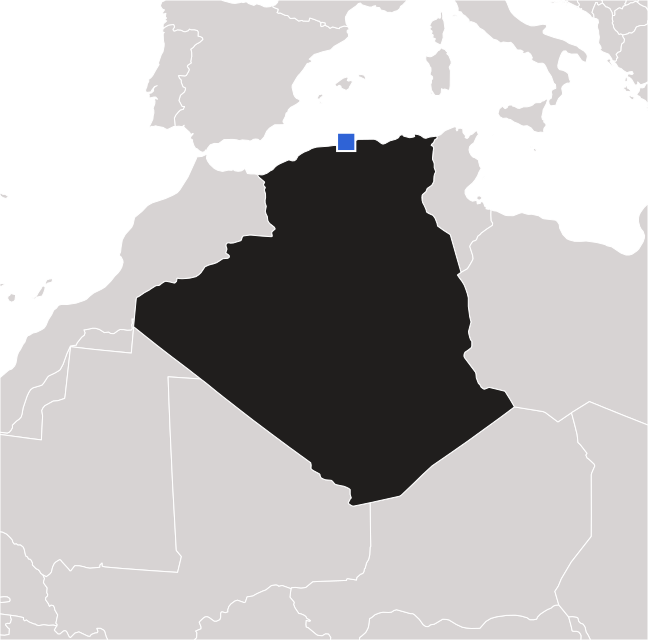
Hauptstadt: Algier
Algerien: unter den Top 10 der Welt bei Essen & Landwirtschaft
Algerien gehört bei diesen Feldfrüchten, Tieren, Fischen, Meeresfrüchten und landwirtschaftlichen Erzeugnissen weltweit zu den Top 10 (neueste FAO-Daten).
Nachbarländer an Land





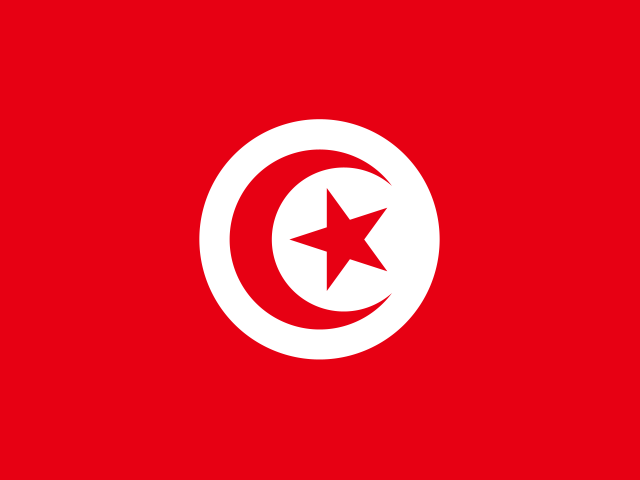
Spitzenplätze
Algerien gehört zu den Top 10 bei:
Algerien in den Weltranglisten
So schneidet Algerien im Vergleich mit anderen Ländern ab, Kennzahl für Kennzahl. Eine Kennzahl anklicken, um die ganze Rangliste zu sehen.
| Kennzahl | Wert | Jahr | Platz |
|---|---|---|---|
| Geografie & Natur | |||
| Gesamtfläche | 2.381.740 km² | 2024 | Platz 10 von 193 |
| Anzahl der Landgrenzen | 6 | Platz 20 von 193 gleichauf | |
| Breitengrad der Hauptstadt | 36,8° | Platz 59 von 193 | |
| Entfernung von Japan | 10.797 km | Platz 79 von 192 | |
| Waldfläche (Anteil an der Landfläche) | 0,7 % | 2024 | Platz 184 von 193 |
| Ackerland (Anteil an der Landfläche) | 3,2 % | 2024 | Platz 148 von 190 |
| Schutzgebiete an Land (Anteil an der Landfläche) | 4,7 % | 2025 | Platz 167 von 192 |
| Landwirtschaftsfläche (Anteil an der Landfläche) | 17,3 % | 2024 | Platz 152 von 192 |
| Durchschnittlicher Jahresniederschlag | 89 mm | 2022 | Platz 174 von 180 |
| Süßwasservorkommen pro Kopf | 247 m³ | 2022 | Platz 163 von 181 |
| Waldfläche | 16.914 km² | 2025 | Platz 114 von 193 |
| Meeresschutzgebiete (Anteil an den Hoheitsgewässern) | 0,1 % | 2025 | Platz 126 von 153 gleichauf |
| Menschen & Bevölkerung | |||
| Einwohnerzahl | 47.435.312 | 2025 | Platz 33 von 193 |
| Bevölkerungsdichte | 19,7 Einwohner/km² | 2024 | Platz 166 von 193 |
| Bevölkerungswachstum | 1,32 % | 2025 | Platz 75 von 193 |
| Stadtbevölkerung (Anteil der Bevölkerung) | 75,8 % | 2025 | Platz 55 von 193 |
| Lebenserwartung | 76,5 Jahre | 2024 | Platz 72 von 193 |
| Fertilitätsrate (Kinder pro Frau) | 2,72 Geburten pro Frau | 2024 | Platz 61 von 193 |
| Säuglingssterblichkeit | 19,5 pro 1.000 Geburten | 2024 | Platz 70 von 192 |
| Geburtenrate (pro 1.000 Einwohner) | 18,8 pro 1.000 Einwohner | 2024 | Platz 80 von 193 |
| Anteil der Menschen ab 65 Jahren | 6,8 % | 2025 | Platz 105 von 193 |
| Anteil der Kinder von 0 bis 14 Jahren | 29,9 % | 2025 | Platz 70 von 193 |
| Lebenserwartung der Frauen | 77,9 Jahre | 2024 | Platz 89 von 193 |
| Lebenserwartung der Männer | 75,1 Jahre | 2024 | Platz 58 von 193 |
| Müttersterblichkeit | 62 pro 100.000 Geburten | 2023 | Platz 86 von 192 |
| Stadtbewohner in der größten Stadt (Anteil) | 8,4 % | 2025 | Platz 142 von 149 |
| Sterberate (pro 1.000 Einwohner) | 4,6 pro 1.000 Einwohner | 2024 | Platz 181 von 193 |
| Sterblichkeit von Kindern unter 5 Jahren (pro 1.000 Geburten) | 21,6 pro 1.000 Geburten | 2024 | Platz 70 von 192 |
| Bevölkerung im Alter von 15 bis 64 Jahren (Anteil der Bevölkerung) | 63,3 % | 2025 | Platz 115 von 193 |
| Wirtschaft | |||
| Bruttoinlandsprodukt (BIP) insgesamt | 287 Mrd. $ | 2025 | Platz 50 von 189 |
| BIP pro Kopf | 6.051 $ | 2025 | Platz 109 von 189 |
| BIP pro Kopf (Kaufkraftparität) | 18.586 $ | 2025 | Platz 99 von 185 |
| Wirtschaftswachstum | 3,8 % | 2025 | Platz 75 von 188 |
| Inflationsrate | 1,4 % | 2025 | Platz 136 von 179 |
| Arbeitslosenquote | 11,6 % | 2025 | Platz 27 von 178 |
| Exporte (Anteil am BIP) | 16,8 % | 2025 | Platz 143 von 168 |
| Importe (Anteil am BIP) | 22,1 % | 2025 | Platz 146 von 168 |
| Landwirtschaft (Anteil am BIP) | 14,5 % | 2025 | Platz 52 von 184 |
| Industrie (Anteil am BIP) | 34,8 % | 2025 | Platz 32 von 185 |
| Dienstleistungen (Anteil am BIP) | 45,7 % | 2025 | Platz 151 von 185 |
| Militärausgaben (Anteil am BIP) | 8,8 % | 2025 | Platz 2 von 155 |
| Warenexporte (insgesamt) | 45,4 Mrd. $ | 2025 | Platz 60 von 190 |
| Überweisungen von Arbeitskräften im Ausland (Anteil am BIP) | 0,6 % | 2025 | Platz 130 von 170 |
| Frauen im Erwerbsleben (Anteil der Frauen) | 14,1 % | 2025 | Platz 173 von 178 |
| Jugendarbeitslosigkeit | 29,4 % | 2025 | Platz 18 von 178 |
| Getreideproduktion | 4.118.300 t | 2024 | Platz 67 von 177 |
| Getreideertrag (pro Hektar Anbaufläche) | 1.537 kg/ha | 2024 | Platz 138 von 175 |
| Fisch- und Meeresfrüchteproduktion (Fang + Zucht) | 97.945 t | 2024 | Platz 87 von 193 |
| Fischfang (aus Meer, Flüssen und Seen) | 91.272 t | 2024 | Platz 81 von 193 |
| Aquakultur (gezüchtete Fische und Meeresfrüchte) | 6.673 t | 2024 | Platz 96 von 193 |
| Wachstum der Tierproduktion (2014–16 = 100) | 106,1 (Durchschnitt 2014–16 = 100) | 2024 | Platz 106 von 187 |
| Düngemitteleinsatz (pro Hektar Ackerland) | 21 kg/ha | 2024 | Platz 140 von 187 |
| Verarbeitendes Gewerbe (Anteil am BIP) | 9,5 % | 2024 | Platz 103 von 178 |
| Beschäftigung in der Landwirtschaft (Anteil der Beschäftigten) | 9,5 % | 2025 | Platz 110 von 178 |
| Ausländische Direktinvestitionen, Zuflüsse (Anteil am BIP) | 0,5 % | 2025 | Platz 144 von 187 |
| Erhaltene Entwicklungshilfe (Anteil am Nationaleinkommen) | 0,1 % | 2023 | Platz 123 von 132 |
| Erwerbspersonen (Anzahl) | 13.556.625 | 2025 | Platz 45 von 178 |
| Reserven an Devisen und Gold | 76,8 Mrd. $ | 2025 | Platz 35 von 169 |
| Alltag & Technik | |||
| Internetnutzer (Anteil der Bevölkerung) | 77,4 % | 2024 | Platz 102 von 186 |
| Mobilfunkverträge | 115,5 pro 100 Einwohner | 2024 | Platz 97 von 193 |
| Zugang zu Strom (Anteil der Bevölkerung) | 100,0 % | 2024 | Platz 1 von 193 gleichauf |
| Gesundheitsausgaben (Anteil am BIP) | 4,4 % | 2023 | Platz 144 von 192 |
| Bildungsausgaben (Anteil am BIP) | 9,0 % | 2024 | Platz 5 von 179 |
| Krankenhausbetten | 1,6 pro 1.000 Einwohner | 2017 | Platz 104 von 157 |
| Ärztedichte | 1,66 pro 1.000 Einwohner | 2022 | Platz 96 von 188 |
| Forschungsausgaben (Anteil am BIP) | 0,44 % | 2024 | Platz 64 von 130 |
| Frauenanteil im Parlament | 7,9 % | 2025 | Platz 175 von 192 |
| Studierende an Universitäten und Hochschulen | 54,4 % | 2024 | Platz 72 von 163 |
| Festnetz-Breitbandanschlüsse | 13,3 pro 100 Einwohner | 2024 | Platz 92 von 192 |
| Beförderte Flugpassagiere | 7.160.662 | 2023 | Platz 52 von 152 |
| Sicheres Trinkwasser (Anteil der Bevölkerung) | 69,0 % | 2024 | Platz 76 von 136 |
| Sichere Sanitärversorgung (Anteil der Bevölkerung) | 62,5 % | 2024 | Platz 67 von 136 |
| Unterernährung (Anteil der Bevölkerung) | 2,5 % | 2024 | Platz 102 von 165 gleichauf |
| Saubere Brennstoffe zum Kochen (Anteil der Bevölkerung) | 100,0 % | 2024 | Platz 1 von 192 gleichauf |
| Verkehrstote | 20,9 pro 100.000 Einwohner | 2019 | Platz 65 von 183 gleichauf |
| Masernimpfung (Anteil der Kinder) | 94,0 % | 2024 | Platz 68 von 192 gleichauf |
| Besuch weiterführender Schulen (Bruttoquote) | 105,2 % | 2024 | Platz 37 von 180 |
| Abschlussquote der Grundschule | 98,2 % | 2025 | Platz 54 von 172 |
| Pflegekräfte und Hebammen (pro 1.000 Einwohner) | 2,51 pro 1.000 Einwohner | 2022 | Platz 118 von 190 |
| Tuberkulosefälle (pro 100.000 Einwohner) | 54 pro 100.000 Einwohner | 2024 | Platz 84 von 191 |
| Gesundheitsausgaben pro Kopf | 233 $ | 2023 | Platz 124 von 192 |
| Containerumschlag in Häfen (TEU) | 1.827.788 TEU | 2024 | Platz 51 von 150 |
| Umwelt | |||
| Strom aus erneuerbaren Energien (Anteil der Stromerzeugung) | 0,9 % | 2021 | Platz 173 von 187 |
| CO₂-Emissionen pro Kopf | 4,0 t CO₂-Äquivalent pro Kopf | 2024 | Platz 63 von 186 |
| CO₂-Emissionen (insgesamt) | 186,4 Mt CO₂-Äquivalent | 2024 | Platz 30 von 186 |
| Luftverschmutzung (Feinstaub PM2,5) | 16,5 µg/m³ | 2023 | Platz 105 von 192 |
| Energieverbrauch pro Kopf | 1.546 kg Öläquivalent pro Kopf | 2024 | Platz 70 von 146 |
| Erneuerbare Energien (Anteil am Endenergieverbrauch) | 0,1 % | 2021 | Platz 184 von 191 gleichauf |
| Stromverbrauch pro Kopf | 1.918 kWh pro Kopf | 2024 | Platz 86 von 146 |
| Strom aus Kernenergie (Anteil am gesamten Strom) | 0,0 % | 2021 | Platz 33 von 190 gleichauf |
| Strom aus Wasserkraft (Anteil am gesamten Strom) | 0,0 % | 2024 | Platz 144 von 190 |
| Treibhausgasemissionen (insgesamt) | 252,7 Mt CO₂-Äquivalent | 2024 | Platz 33 von 186 |
| Süßwasserentnahme (Anteil an den inneren Ressourcen) | 91,5 % | 2022 | Platz 20 von 175 |
| Ernährung & Landwirtschaft | |||
| Weizen: Produktion | 3.000.000 t | 2024 | Platz 31 von 120 |
| Reis: Produktion | 313 t | 2024 | Platz 111 von 114 |
| Mais: Produktion | 12.000 t | 2024 | Platz 132 von 160 |
| Gerste: Produktion | 1.000.000 t | 2024 | Platz 28 von 100 |
| Sorghum: Produktion | 661 t | 2024 | Platz 93 von 107 |
| Hafer: Produktion | 105.000 t | 2024 | Platz 29 von 74 |
| Kartoffeln: Produktion | 4.596.493 t | 2024 | Platz 17 von 150 |
| Erdnüsse: Produktion | 15.800 t | 2024 | Platz 53 von 108 |
| Raps: Produktion | 23.060 t | 2024 | Platz 45 von 63 |
| Trockenbohnen: Produktion | 2.602 t | 2024 | Platz 89 von 105 |
| Kichererbsen: Produktion | 40.527 t | 2024 | Platz 15 von 47 |
| Linsen: Produktion | 10.055 t | 2024 | Platz 17 von 43 |
| Trockenerbsen: Produktion | 11.229 t | 2024 | Platz 47 von 95 |
| Sonnenblumenkerne: Produktion | 89 t | 2024 | Platz 71 von 73 |
| Tomaten: Produktion | 1.762.920 t | 2024 | Platz 14 von 164 |
| Zwiebeln: Produktion | 1.830.195 t | 2024 | Platz 11 von 139 |
| Kohl: Produktion | 156.004 t | 2024 | Platz 39 von 143 |
| Karotten (mit Speiserüben): Produktion | 428.052 t | 2024 | Platz 18 von 129 |
| Gurken (mit Cornichons): Produktion | 192.943 t | 2024 | Platz 26 von 130 |
| Blumenkohl (mit Brokkoli): Produktion | 282.414 t | 2024 | Platz 10 von 95 |
| Auberginen: Produktion | 219.616 t | 2024 | Platz 14 von 94 |
| Grüne Chilis und Paprika: Produktion | 643.418 t | 2024 | Platz 9 von 124 |
| Pilze (mit Trüffeln): Produktion | 1.110 t | 2024 | Platz 44 von 63 |
| Knoblauch: Produktion | 237.375 t | 2024 | Platz 8 von 102 |
| Orangen: Produktion | 1.294.262 t | 2024 | Platz 14 von 112 |
| Mandarinen: Produktion | 314.985 t | 2024 | Platz 19 von 70 |
| Zitronen (mit Limetten): Produktion | 89.366 t | 2024 | Platz 27 von 101 |
| Äpfel: Produktion | 591.698 t | 2024 | Platz 22 von 92 |
| Bananen: Produktion | 235 t | 2024 | Platz 111 von 113 |
| Weintrauben: Produktion | 605.260 t | 2024 | Platz 23 von 91 |
| Wassermelonen: Produktion | 2.520.724 t | 2024 | Platz 4 von 119 |
| Pfirsiche (mit Nektarinen): Produktion | 195.226 t | 2024 | Platz 14 von 79 |
| Datteln: Produktion | 1.337.301 t | 2024 | Platz 3 von 36 |
| Oliven: Produktion | 913.243 t | 2024 | Platz 9 von 40 |
| Birnen: Produktion | 162.832 t | 2024 | Platz 14 von 85 |
| Pflaumen (mit Schlehen): Produktion | 94.566 t | 2024 | Platz 19 von 87 |
| Aprikosen: Produktion | 173.085 t | 2024 | Platz 6 von 65 |
| Kirschen: Produktion | 12.113 t | 2024 | Platz 24 von 65 |
| Grapefruits (mit Pomelos): Produktion | 1.662 t | 2024 | Platz 54 von 71 |
| Mandeln: Produktion | 68.513 t | 2024 | Platz 11 von 48 |
| Baumwolle (Faser): Produktion | 28 t | 2023 | Platz 80 von 85 |
| Tabak: Produktion | 11.182 t | 2024 | Platz 37 von 117 |
| Rindfleisch: Produktion | 135.000 t | 2024 | Platz 60 von 181 |
| Schweinefleisch: Produktion | 114 t | 2024 | Platz 157 von 164 |
| Hühnerfleisch: Produktion | 448.820 t | 2024 | Platz 43 von 183 |
| Kuhmilch: Produktion | 2.420.851 t | 2024 | Platz 47 von 178 |
| Hühnereier: Produktion | 311.000 t | 2024 | Platz 34 von 167 |
| Honig: Produktion | 5.876 t | 2024 | Platz 43 von 122 |
| Schaffleisch (Hammel und Lamm): Produktion | 363.929 t | 2024 | Platz 6 von 172 |
| Ziegenfleisch: Produktion | 39.116 t | 2024 | Platz 23 von 164 |
| Ziegenmilch: Produktion | 320.791 t | 2024 | Platz 14 von 108 |
| Butter (mit Ghee): Produktion | 4.509 t | 2023 | Platz 73 von 124 |
| Käse (alle Sorten): Produktion | 2.620 t | 2023 | Platz 94 von 105 |
| Karpfen: Produktion | 1.250 t | 2024 | Platz 42 von 97 |
| Goldbrassen (Doraden): Produktion | 3.204 t | 2024 | Platz 13 von 31 |
| Wolfsbarsche: Produktion | 409 t | 2024 | Platz 14 von 29 |
| Pazifische Austern: Produktion | 5 t | 2024 | Platz 28 von 30 |
| Weiße Thunfische (Albacore): Produktion | 40 t | 2024 | Platz 45 von 60 |
| Atlantische Rote Thunfische: Produktion | 2.011 t | 2024 | Platz 11 von 32 |
| Schwertfische: Produktion | 472 t | 2024 | Platz 29 von 76 |
| Atlantische Makrelen: Produktion | 610 t | 2024 | Platz 16 von 29 |
| Blaue Wittlinge (Verwandte des Dorschs): Produktion | 165 t | 2024 | Platz 17 von 21 |
| Europäische Sardinen: Produktion | 31.205 t | 2024 | Platz 5 von 28 |
| Europäische Sardellen: Produktion | 1.525 t | 2024 | Platz 16 von 36 |
| Garnelen: Produktion | 2.615 t | 2024 | Platz 56 von 114 |
| Hummer und Langusten: Produktion | 75 t | 2024 | Platz 65 von 91 gleichauf |
| Austern: Produktion | 5 t | 2024 | Platz 46 von 51 gleichauf |
| Miesmuscheln: Produktion | 100 t | 2024 | Platz 41 von 52 |
| Kalmare, Sepien und Kraken: Produktion | 1.035 t | 2024 | Platz 53 von 102 |
| Thunfische, Bonitos und Schwertfischartige: Produktion | 5.670 t | 2024 | Platz 66 von 133 |
| Karpfen und andere Karpfenfische: Produktion | 1.702 t | 2024 | Platz 60 von 115 |
| Tilapien und andere Buntbarsche: Produktion | 800 t | 2024 | Platz 64 von 119 |
| Heringe, Sardinen und Sardellen: Produktion | 59.635 t | 2024 | Platz 44 von 108 |
| Dorsche, Seehechte und Schellfische: Produktion | 655 t | 2024 | Platz 47 von 65 |
| Plattfische (Flundern, Heilbutte, Seezungen): Produktion | 157 t | 2024 | Platz 66 von 91 |
| Süßwasseraale: Produktion | 7 t | 2024 | Platz 32 von 41 |
| Haie und Rochen: Produktion | 516 t | 2024 | Platz 69 von 127 |
| Rinder: Anzahl der Tiere | 1.782.454 Tiere | 2024 | Platz 93 von 183 |
| Schweine: Anzahl der Tiere | 4.808 Tiere | 2024 | Platz 157 von 165 |
| Hühner: Anzahl der Tiere | 203.572.000 Vögel | 2024 | Platz 25 von 181 |
| Schafe: Anzahl der Tiere | 32.354.831 Tiere | 2024 | Platz 11 von 173 |
| Ziegen: Anzahl der Tiere | 5.071.523 Tiere | 2024 | Platz 39 von 180 |
| Pferde: Anzahl der Tiere | 50.860 Tiere | 2024 | Platz 62 von 143 |
| Kamele: Anzahl der Tiere | 466.642 Tiere | 2024 | Platz 14 von 46 |
| Esel: Anzahl der Tiere | 55.741 Tiere | 2024 | Platz 39 von 104 |
| Enten: Anzahl der Tiere | 63.000 Vögel | 2024 | Platz 57 von 80 |
| Puten: Anzahl der Tiere | 7.346.000 Vögel | 2024 | Platz 9 von 71 |
Fragen zu Algerien
Was ist die Hauptstadt von Algerien?
Die Hauptstadt von Algerien ist Algier.
Wie viele Einwohner hat Algerien?
Die Einwohnerzahl von Algerien beträgt etwa 47,4 Mio. (2025). Im Weltvergleich: Platz 33 von 193.
Wie groß ist Algerien?
Die Fläche von Algerien beträgt etwa 2.381.740 km². Im Weltvergleich: Platz 10 von 193.
Auf welchem Kontinent liegt Algerien?
Algerien liegt in Afrika, in der Region Nordafrika.
Welche Währung und welche Sprachen gibt es in Algerien?
Währung: Algerischer Dinar. Hauptsprachen: Arabisch.
Wie groß ist Algerien im Vergleich zu Japan, und wie viele Menschen leben dort?
Die Fläche von Algerien beträgt etwa das 6,3-Fache Japans, die Bevölkerung etwa 1/3 von Japan.
Wie weit ist Algerien von Japan entfernt?
Die Hauptstadt Algier liegt etwa 10.797 km Luftlinie von Tokio, der Hauptstadt Japans, entfernt.
Wie groß ist der Zeitunterschied zwischen Algerien und Japan?
Die Hauptstadt Algier liegt in der Normalzeit bei UTC+1: 8 Std. früher als in Japan.
Weitere Länder in Nordafrika


Mit Algerien spielen
Im Quiz testen, was Sie gelernt haben.