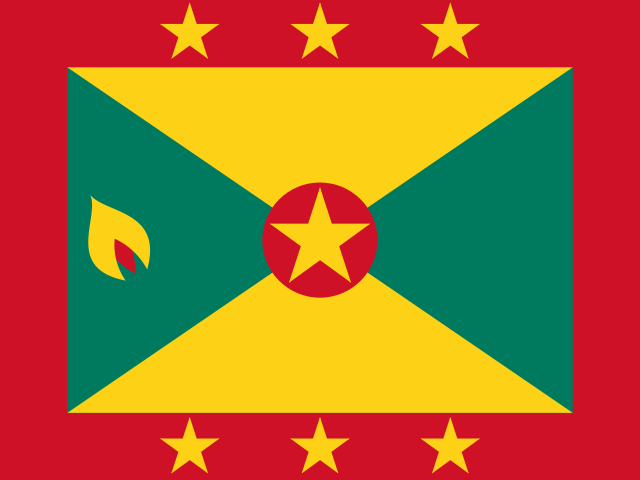
Flagge von Grenada

Grenada: Hauptstadt, Einwohner, Fläche und Flagge

Grenada ist ein Land in Karibik (Nordamerika). Die Hauptstadt ist St. George’s. Die Einwohnerzahl beträgt etwa 117.000 (Platz 179 von 193), die Fläche etwa 344 km² (Platz 184 von 193).

Wichtige Fakten

Hauptstadt
St. George’s
Region
Nordamerika / Karibik
Einwohnerzahl
117.303 (2025) Platz 179 von 193
Gesamtfläche
344 km² (2024) Platz 184 von 193
Bevölkerungsdichte
340,7 Einwohner/km² (2024) Platz 24 von 193
Bruttoinlandsprodukt (BIP) insgesamt
1,42 Mrd. $ (2025) Platz 176 von 189
BIP pro Kopf
12.107 $ (2025) Platz 78 von 189
Lebenserwartung
75,4 Jahre (2024) Platz 83 von 193
Entfernung von Japan
14.248 km Platz 17 von 192
Fläche im Vergleich zu Japan
etwa 1/1.100 von Japan
Bevölkerung im Vergleich zu Japan
etwa 1/1.100 von Japan
Hauptsprachen
Englisch
Währung
Ostkaribischer Dollar (XCD)
Landesvorwahl
+1 473
Zeitzone (Hauptstadt)
UTC-4
Zeitunterschied zu Japan (Normalzeit)
13 Std. früher als in Japan
Fahrtrichtung
Linksverkehr
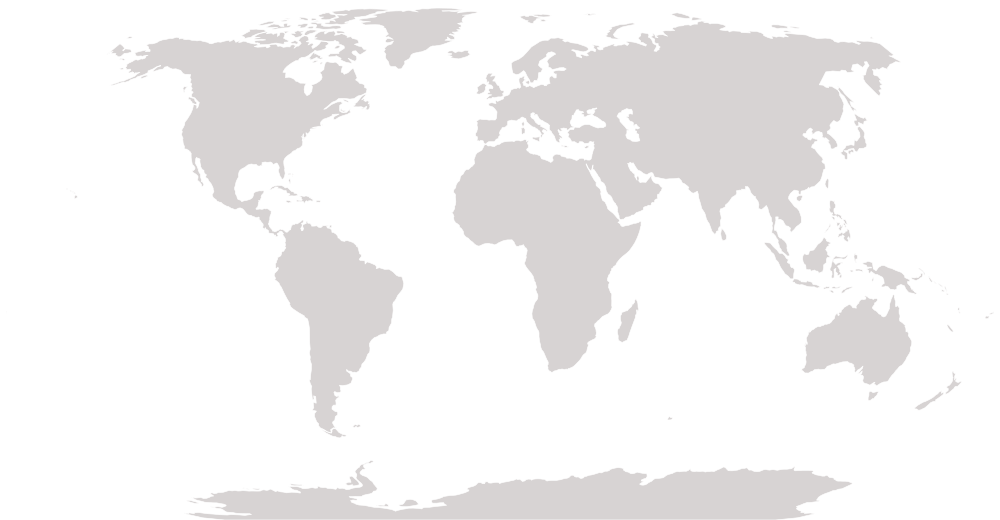
Lage der Hauptstadt
12.05°N 61.75°W

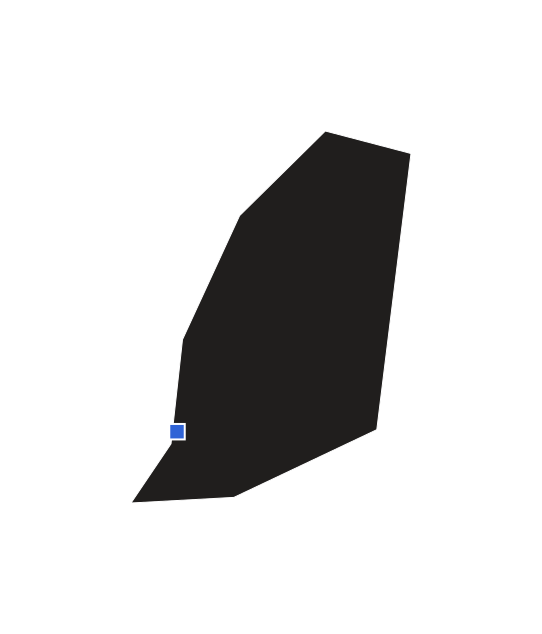
Karte von Grenada

Karte von Grenada

Hauptstadt: St. George’s

Nachbarländer an Land

Grenada hat keine Landgrenzen zu anderen Ländern.

Spitzenplätze

Grenada gehört zu den Top 10 bei:

Grenada in den Weltranglisten

So schneidet Grenada im Vergleich mit anderen Ländern ab, Kennzahl für Kennzahl. Eine Kennzahl anklicken, um die ganze Rangliste zu sehen.

KennzahlWertJahrPlatz
Geografie & Natur
Gesamtfläche344 km²2024Platz 184 von 193
Anzahl der Landgrenzen0Platz 155 von 193 gleichauf
Breitengrad der Hauptstadt12,1°Platz 117 von 193
Entfernung von Japan14.248 kmPlatz 17 von 192
Waldfläche (Anteil an der Landfläche)51,5 %2024Platz 47 von 193
Ackerland (Anteil an der Landfläche)8,7 %2024Platz 110 von 190
Schutzgebiete an Land (Anteil an der Landfläche)8,8 %2025Platz 148 von 192 gleichauf
Landwirtschaftsfläche (Anteil an der Landfläche)23,3 %2024Platz 133 von 192
Durchschnittlicher Jahresniederschlag2.350 mm2022Platz 17 von 180
Süßwasservorkommen pro Kopf1.711 m³2022Platz 107 von 181
Waldfläche177 km²2025Platz 173 von 193
Meeresschutzgebiete (Anteil an den Hoheitsgewässern)0,1 %2025Platz 126 von 153 gleichauf
Menschen & Bevölkerung
Einwohnerzahl117.3032025Platz 179 von 193
Bevölkerungsdichte340,7 Einwohner/km²2024Platz 24 von 193
Bevölkerungswachstum0,08 %2025Platz 153 von 193
Stadtbevölkerung (Anteil der Bevölkerung)36,7 %2025Platz 158 von 193
Lebenserwartung75,4 Jahre2024Platz 83 von 193
Fertilitätsrate (Kinder pro Frau)1,47 Geburten pro Frau2024Platz 142 von 193
Säuglingssterblichkeit16,4 pro 1.000 Geburten2024Platz 76 von 192 gleichauf
Geburtenrate (pro 1.000 Einwohner)11,5 pro 1.000 Einwohner2024Platz 117 von 193
Anteil der Menschen ab 65 Jahren12,6 %2025Platz 67 von 193
Anteil der Kinder von 0 bis 14 Jahren19,0 %2025Platz 121 von 193
Lebenserwartung der Frauen78,5 Jahre2024Platz 85 von 193
Lebenserwartung der Männer72,5 Jahre2024Platz 80 von 193
Müttersterblichkeit48 pro 100.000 Geburten2023Platz 95 von 192 gleichauf
Sterberate (pro 1.000 Einwohner)8,9 pro 1.000 Einwohner2024Platz 56 von 193
Sterblichkeit von Kindern unter 5 Jahren (pro 1.000 Geburten)18,0 pro 1.000 Geburten2024Platz 78 von 192
Bevölkerung im Alter von 15 bis 64 Jahren (Anteil der Bevölkerung)68,4 %2025Platz 38 von 193
Wirtschaft
Bruttoinlandsprodukt (BIP) insgesamt1,42 Mrd. $2025Platz 176 von 189
BIP pro Kopf12.107 $2025Platz 78 von 189
BIP pro Kopf (Kaufkraftparität)21.346 $2025Platz 89 von 185
Wirtschaftswachstum4,4 %2025Platz 59 von 188
Inflationsrate0,6 %2025Platz 156 von 179
Landwirtschaft (Anteil am BIP)2,5 %2025Platz 135 von 184
Industrie (Anteil am BIP)15,5 %2025Platz 154 von 185
Dienstleistungen (Anteil am BIP)64,9 %2025Platz 44 von 185
Einkommensungleichheit (Gini-Koeffizient)43,8 (0–100)2018Platz 20 von 149
Warenexporte (insgesamt)35 Mio. $2025Platz 181 von 190
Überweisungen von Arbeitskräften im Ausland (Anteil am BIP)3,3 %2025Platz 70 von 170
Getreideproduktion177 t2024Platz 171 von 177
Getreideertrag (pro Hektar Anbaufläche)997 kg/ha2024Platz 157 von 175
Fisch- und Meeresfrüchteproduktion (Fang + Zucht)2.183 t2024Platz 175 von 193
Fischfang (aus Meer, Flüssen und Seen)2.157 t2024Platz 159 von 193
Aquakultur (gezüchtete Fische und Meeresfrüchte)26 t2024Platz 160 von 193
Wachstum der Tierproduktion (2014–16 = 100)136,5 (Durchschnitt 2014–16 = 100)2024Platz 29 von 187
Düngemitteleinsatz (pro Hektar Ackerland)23 kg/ha2024Platz 139 von 187
Verarbeitendes Gewerbe (Anteil am BIP)3,3 %2025Platz 165 von 178
Hightech-Exporte (Anteil an den Exporten von Industriewaren)6,4 %2024Platz 83 von 168
Ausländische Direktinvestitionen, Zuflüsse (Anteil am BIP)12,0 %2025Platz 11 von 187
Erhaltene Entwicklungshilfe (Anteil am Nationaleinkommen)3,2 %2023Platz 58 von 132
Reserven an Devisen und Gold408 Mio. $2025Platz 160 von 169
Extreme Armut (Anteil der Menschen mit weniger als 3,00 $ pro Tag)0,8 %2018Platz 78 von 132 gleichauf
Alltag & Technik
Internetnutzer (Anteil der Bevölkerung)70,2 %2024Platz 119 von 186
Mobilfunkverträge95,8 pro 100 Einwohner2022Platz 137 von 193
Zugang zu Strom (Anteil der Bevölkerung)95,6 %2024Platz 130 von 193
Gesundheitsausgaben (Anteil am BIP)4,7 %2023Platz 131 von 192
Bildungsausgaben (Anteil am BIP)5,1 %2023Platz 57 von 179
Krankenhausbetten3,0 pro 1.000 Einwohner2023Platz 60 von 157
Ärztedichte1,38 pro 1.000 Einwohner2018Platz 103 von 188
Frauenanteil im Parlament31,3 %2025Platz 70 von 192 gleichauf
Studierende an Universitäten und Hochschulen100,0 %2018Platz 9 von 163
Festnetz-Breitbandanschlüsse29,8 pro 100 Einwohner2022Platz 51 von 192
Saubere Brennstoffe zum Kochen (Anteil der Bevölkerung)96,0 %2024Platz 76 von 192 gleichauf
Verkehrstote8,0 pro 100.000 Einwohner2019Platz 138 von 183
Masernimpfung (Anteil der Kinder)83,0 %2024Platz 133 von 192 gleichauf
Besuch weiterführender Schulen (Bruttoquote)100,7 %2024Platz 56 von 180
Abschlussquote der Grundschule97,5 %2024Platz 60 von 172
Pflegekräfte und Hebammen (pro 1.000 Einwohner)4,58 pro 1.000 Einwohner2023Platz 77 von 190
Tuberkulosefälle (pro 100.000 Einwohner)2 pro 100.000 Einwohner2024Platz 184 von 191
Gesundheitsausgaben pro Kopf526 $2023Platz 87 von 192
Containerumschlag in Häfen (TEU)20.299 TEU2022Platz 142 von 150
Umwelt
Strom aus erneuerbaren Energien (Anteil der Stromerzeugung)2,0 %2021Platz 169 von 187
CO₂-Emissionen pro Kopf1,5 t CO₂-Äquivalent pro Kopf2024Platz 116 von 186
CO₂-Emissionen (insgesamt)0,2 Mt CO₂-Äquivalent2024Platz 176 von 186
Luftverschmutzung (Feinstaub PM2,5)11,0 µg/m³2023Platz 146 von 192
Erneuerbare Energien (Anteil am Endenergieverbrauch)10,0 %2022Platz 142 von 191
Strom aus Kernenergie (Anteil am gesamten Strom)0,0 %2021Platz 33 von 190 gleichauf
Strom aus Wasserkraft (Anteil am gesamten Strom)0,0 %2021Platz 150 von 190 gleichauf
Treibhausgasemissionen (insgesamt)0,2 Mt CO₂-Äquivalent2024Platz 178 von 186
Süßwasserentnahme (Anteil an den inneren Ressourcen)7,1 %2022Platz 94 von 175
Ernährung & Landwirtschaft
Mais: Produktion177 t2024Platz 152 von 160
Maniok: Produktion0 t2024Platz 92 von 92
Süßkartoffeln: Produktion523 t2024Platz 93 von 105
Yams: Produktion251 t2024Platz 51 von 56
Trockenbohnen: Produktion60 t2024Platz 105 von 105
Kokosnüsse: Produktion3.817 t2024Platz 64 von 79
Tomaten: Produktion284 t2024Platz 154 von 164
Kohl: Produktion329 t2024Platz 136 von 143
Karotten (mit Speiserüben): Produktion35 t2024Platz 126 von 129
Gurken (mit Cornichons): Produktion429 t2024Platz 121 von 130
Salat (mit Chicorée): Produktion13 t2024Platz 99 von 102
Blumenkohl (mit Brokkoli): Produktion47 t2024Platz 94 von 95
Orangen: Produktion255 t2024Platz 106 von 112
Zitronen (mit Limetten): Produktion131 t2024Platz 95 von 101
Äpfel: Produktion215 t2024Platz 91 von 92
Bananen: Produktion1.502 t2024Platz 101 von 113
Mangos (mit Guaven und Mangostanen): Produktion656 t2024Platz 84 von 96
Ananas: Produktion59 t2024Platz 78 von 82
Wassermelonen: Produktion760 t2024Platz 109 von 119
Avocados: Produktion705 t2024Platz 60 von 70
Melonen (Cantaloupe-Melonen und andere): Produktion315 t2024Platz 88 von 95
Pflaumen (mit Schlehen): Produktion343 t2024Platz 78 von 87
Grapefruits (mit Pomelos): Produktion708 t2024Platz 62 von 71
Kakaobohnen: Produktion203 t2024Platz 49 von 58
Zuckerrohr: Produktion5.236 t2024Platz 85 von 93
Baumwolle (Faser): Produktion16 t2023Platz 82 von 85
Schwarzer Pfeffer (Piper spp.): Produktion124 t2024Platz 38 von 45
Ingwer: Produktion68 t2024Platz 37 von 40
Rindfleisch: Produktion191 t2024Platz 173 von 181
Schweinefleisch: Produktion585 t2024Platz 148 von 164
Hühnerfleisch: Produktion549 t2024Platz 168 von 183
Kuhmilch: Produktion617 t2024Platz 173 von 178
Hühnereier: Produktion3.000 t2024Platz 133 von 167
Schaffleisch (Hammel und Lamm): Produktion160 t2024Platz 143 von 172
Ziegenfleisch: Produktion168 t2024Platz 128 von 164
Echte Bonitos (Skipjack): Produktion9 t2024Platz 71 von 82
Gelbflossen-Thunfische: Produktion1.163 t2024Platz 53 von 82
Großaugen-Thunfische: Produktion3 t2024Platz 67 von 68
Weiße Thunfische (Albacore): Produktion2 t2024Platz 55 von 60
Schwertfische: Produktion7 t2024Platz 65 von 76
Algen und andere Wasserpflanzen: Produktion25 t2024Platz 52 von 68 gleichauf
Hummer und Langusten: Produktion30 t2024Platz 72 von 91 gleichauf
Thunfische, Bonitos und Schwertfischartige: Produktion1.383 t2024Platz 90 von 133
Tilapien und andere Buntbarsche: Produktion1 t2024Platz 115 von 119 gleichauf
Haie und Rochen: Produktion21 t2024Platz 105 von 127
Rinder: Anzahl der Tiere6.191 Tiere2024Platz 173 von 183
Schweine: Anzahl der Tiere3.843 Tiere2024Platz 158 von 165
Hühner: Anzahl der Tiere384.000 Vögel2024Platz 168 von 181
Schafe: Anzahl der Tiere9.639 Tiere2024Platz 155 von 173
Ziegen: Anzahl der Tiere25.457 Tiere2024Platz 140 von 180
Pferde: Anzahl der Tiere30 Tiere2024Platz 143 von 143
Esel: Anzahl der Tiere661 Tiere2024Platz 96 von 104

Fragen zu Grenada

Was ist die Hauptstadt von Grenada?

Die Hauptstadt von Grenada ist St. George’s.

Wie viele Einwohner hat Grenada?

Die Einwohnerzahl von Grenada beträgt etwa 117.000 (2025). Im Weltvergleich: Platz 179 von 193.

Wie groß ist Grenada?

Die Fläche von Grenada beträgt etwa 344 km². Im Weltvergleich: Platz 184 von 193.

Auf welchem Kontinent liegt Grenada?

Grenada liegt in Nordamerika, in der Region Karibik.

Welche Währung und welche Sprachen gibt es in Grenada?

Währung: Ostkaribischer Dollar. Hauptsprachen: Englisch.

Wie groß ist Grenada im Vergleich zu Japan, und wie viele Menschen leben dort?

Die Fläche von Grenada beträgt etwa 1/1.100 von Japan, die Bevölkerung etwa 1/1.100 von Japan.

Wie weit ist Grenada von Japan entfernt?

Die Hauptstadt St. George’s liegt etwa 14.248 km Luftlinie von Tokio, der Hauptstadt Japans, entfernt.

Wie groß ist der Zeitunterschied zwischen Grenada und Japan?

Die Hauptstadt St. George’s liegt in der Normalzeit bei UTC-4: 13 Std. früher als in Japan.

Weitere Länder in Karibik
Mit Grenada spielen

Im Quiz testen, was Sie gelernt haben.

Kartenpuzzle Quiz Ranglisten

Nach oben