
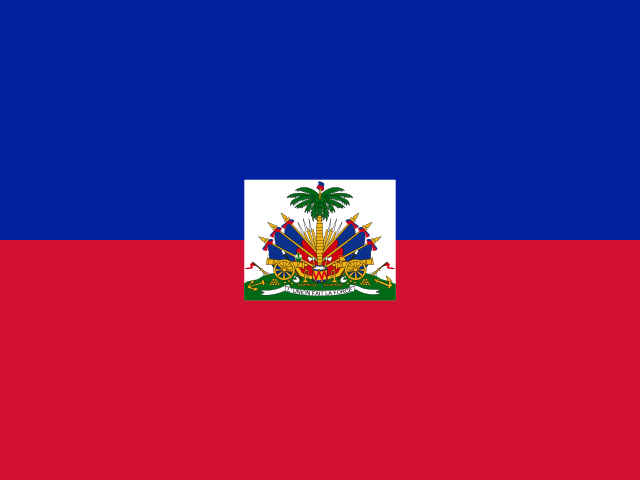
Haiti: Hauptstadt, Einwohner, Fläche und Flagge
Haiti ist ein Land in Karibik (Nordamerika). Die Hauptstadt ist Port-au-Prince. Die Einwohnerzahl beträgt etwa 11,9 Mio. (Platz 82 von 193), die Fläche etwa 27.750 km² (Platz 143 von 193).
Wichtige Fakten
- Hauptstadt
- Port-au-Prince
- Region
- Nordamerika / Karibik
- Einwohnerzahl
- 11.906.095 (2025) Platz 82 von 193
- Gesamtfläche
- 27.750 km² (2024) Platz 143 von 193
- Bevölkerungsdichte
- 427,2 Einwohner/km² (2024) Platz 19 von 193
- Bruttoinlandsprodukt (BIP) insgesamt
- 32,1 Mrd. $ (2025) Platz 110 von 189
- BIP pro Kopf
- 2.694 $ (2025) Platz 146 von 189
- Lebenserwartung
- 65,1 Jahre (2024) Platz 166 von 193
- Entfernung von Japan
- 13.105 km Platz 50 von 192
- Fläche im Vergleich zu Japan
- etwa 1/14 von Japan
- Bevölkerung im Vergleich zu Japan
- etwa 1/10 von Japan
- Hauptsprachen
- Haiti-Kreolisch, Französisch
- Währung
- Haitianische Gourde (HTG)
- Landesvorwahl
- +509
- Zeitzone (Hauptstadt)
- UTC-5 (mit Sommerzeit)
- Zeitunterschied zu Japan (Normalzeit)
- 14 Std. früher als in Japan
- Fahrtrichtung
- Rechtsverkehr
- Lage der Hauptstadt
- 18.55°N 72.34°W
Bevölkerung von Haiti, 1950–2100 (auf Japanisch)
Sieh dir frühere Schätzungen, künftige Prognosen und die Bevölkerungspyramide in der Weltbevölkerungs-Zeitmaschine an.
Karte von Haiti
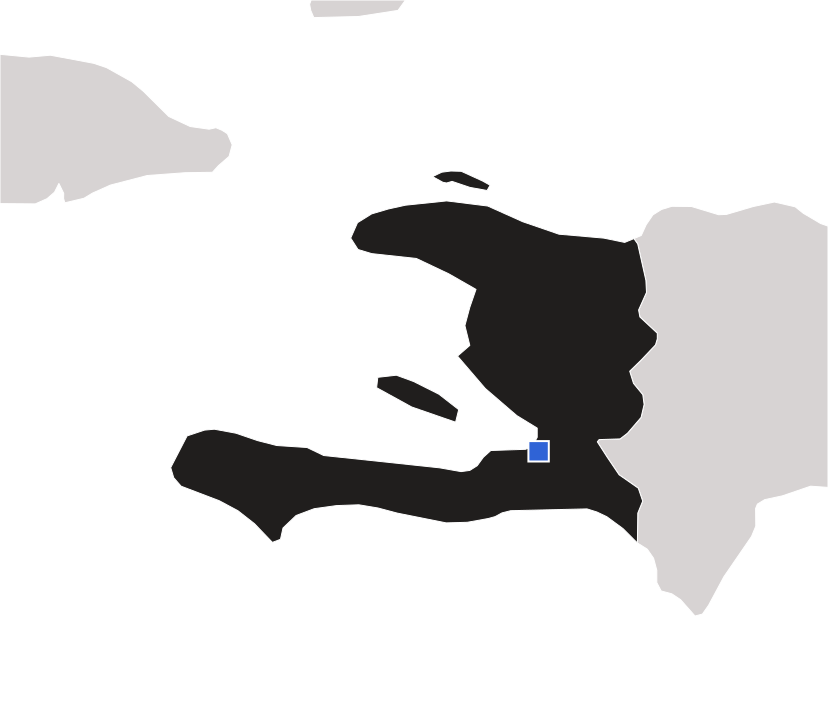
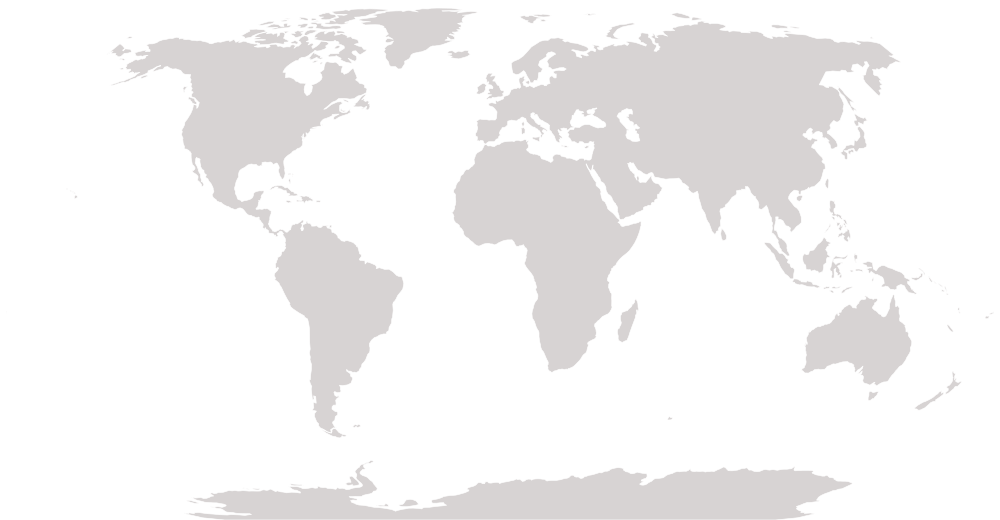
Hauptstadt: Port-au-Prince
Haiti: unter den Top 10 der Welt bei Essen & Landwirtschaft
Haiti gehört bei diesen Feldfrüchten, Tieren, Fischen, Meeresfrüchten und landwirtschaftlichen Erzeugnissen weltweit zu den Top 10 (neueste FAO-Daten).
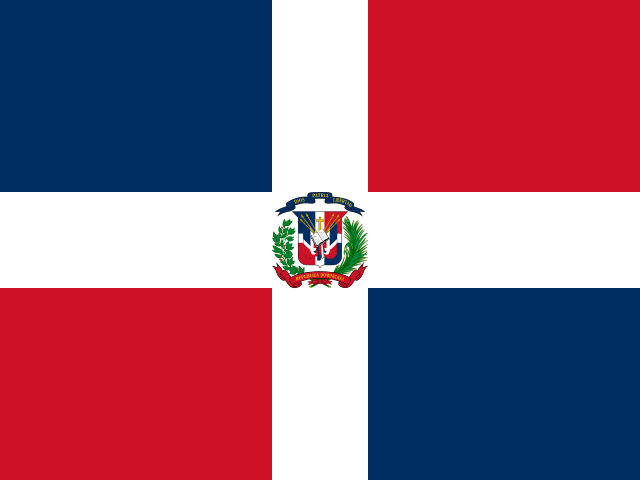
Nachbarländer an Land
Spitzenplätze
Haiti gehört zu den Top 10 bei:
Haiti in den Weltranglisten
So schneidet Haiti im Vergleich mit anderen Ländern ab, Kennzahl für Kennzahl. Eine Kennzahl anklicken, um die ganze Rangliste zu sehen.
| Kennzahl | Wert | Jahr | Platz |
|---|---|---|---|
| Geografie & Natur | |||
| Gesamtfläche | 27.750 km² | 2024 | Platz 143 von 193 |
| Anzahl der Landgrenzen | 1 | Platz 138 von 193 gleichauf | |
| Breitengrad der Hauptstadt | 18,5° | Platz 89 von 193 | |
| Entfernung von Japan | 13.105 km | Platz 50 von 192 | |
| Waldfläche (Anteil an der Landfläche) | 13,5 % | 2024 | Platz 139 von 193 |
| Ackerland (Anteil an der Landfläche) | 36,5 % | 2024 | Platz 17 von 190 |
| Schutzgebiete an Land (Anteil an der Landfläche) | 8,6 % | 2025 | Platz 150 von 192 |
| Landwirtschaftsfläche (Anteil an der Landfläche) | 65,1 % | 2024 | Platz 29 von 192 |
| Durchschnittlicher Jahresniederschlag | 1.440 mm | 2022 | Platz 61 von 180 |
| Süßwasservorkommen pro Kopf | 1.131 m³ | 2022 | Platz 123 von 181 |
| Waldfläche | 3.721 km² | 2025 | Platz 145 von 193 |
| Meeresschutzgebiete (Anteil an den Hoheitsgewässern) | 1,8 % | 2025 | Platz 80 von 153 |
| Menschen & Bevölkerung | |||
| Einwohnerzahl | 11.906.095 | 2025 | Platz 82 von 193 |
| Bevölkerungsdichte | 427,2 Einwohner/km² | 2024 | Platz 19 von 193 |
| Bevölkerungswachstum | 1,13 % | 2025 | Platz 90 von 193 |
| Stadtbevölkerung (Anteil der Bevölkerung) | 55,6 % | 2025 | Platz 123 von 193 |
| Lebenserwartung | 65,1 Jahre | 2024 | Platz 166 von 193 |
| Fertilitätsrate (Kinder pro Frau) | 2,63 Geburten pro Frau | 2024 | Platz 68 von 193 |
| Säuglingssterblichkeit | 39,0 pro 1.000 Geburten | 2024 | Platz 27 von 192 |
| Geburtenrate (pro 1.000 Einwohner) | 21,9 pro 1.000 Einwohner | 2024 | Platz 61 von 193 |
| Anteil der Menschen ab 65 Jahren | 4,8 % | 2025 | Platz 131 von 193 |
| Anteil der Kinder von 0 bis 14 Jahren | 30,8 % | 2025 | Platz 67 von 193 |
| Lebenserwartung der Frauen | 68,5 Jahre | 2024 | Platz 161 von 193 |
| Lebenserwartung der Männer | 61,9 Jahre | 2024 | Platz 170 von 193 |
| Müttersterblichkeit | 328 pro 100.000 Geburten | 2023 | Platz 23 von 192 |
| Stadtbewohner in der größten Stadt (Anteil) | 47,3 % | 2025 | Platz 21 von 149 |
| Sterberate (pro 1.000 Einwohner) | 7,8 pro 1.000 Einwohner | 2024 | Platz 77 von 193 |
| Sterblichkeit von Kindern unter 5 Jahren (pro 1.000 Geburten) | 52,8 pro 1.000 Geburten | 2024 | Platz 27 von 192 |
| Bevölkerung im Alter von 15 bis 64 Jahren (Anteil der Bevölkerung) | 64,4 % | 2025 | Platz 94 von 193 |
| Wirtschaft | |||
| Bruttoinlandsprodukt (BIP) insgesamt | 32,1 Mrd. $ | 2025 | Platz 110 von 189 |
| BIP pro Kopf | 2.694 $ | 2025 | Platz 146 von 189 |
| BIP pro Kopf (Kaufkraftparität) | 3.134 $ | 2025 | Platz 171 von 185 |
| Wirtschaftswachstum | -2,7 % | 2025 | Platz 185 von 188 |
| Inflationsrate | 28,6 % | 2025 | Platz 8 von 179 |
| Arbeitslosenquote | 14,9 % | 2025 | Platz 16 von 178 |
| Exporte (Anteil am BIP) | 1,6 % | 2025 | Platz 167 von 168 |
| Importe (Anteil am BIP) | 14,3 % | 2025 | Platz 163 von 168 |
| Landwirtschaft (Anteil am BIP) | 15,8 % | 2025 | Platz 50 von 184 |
| Industrie (Anteil am BIP) | 27,5 % | 2025 | Platz 65 von 185 |
| Dienstleistungen (Anteil am BIP) | 54,2 % | 2025 | Platz 115 von 185 |
| Militärausgaben (Anteil am BIP) | 0,1 % | 2025 | Platz 152 von 155 |
| Warenexporte (insgesamt) | 554 Mio. $ | 2025 | Platz 161 von 190 |
| Überweisungen von Arbeitskräften im Ausland (Anteil am BIP) | 16,9 % | 2024 | Platz 17 von 170 |
| Frauen im Erwerbsleben (Anteil der Frauen) | 58,3 % | 2025 | Platz 58 von 178 |
| Jugendarbeitslosigkeit | 37,5 % | 2025 | Platz 11 von 178 |
| Getreideproduktion | 323.000 t | 2024 | Platz 125 von 177 |
| Getreideertrag (pro Hektar Anbaufläche) | 1.064 kg/ha | 2024 | Platz 155 von 175 |
| Fisch- und Meeresfrüchteproduktion (Fang + Zucht) | 16.743 t | 2024 | Platz 142 von 193 |
| Fischfang (aus Meer, Flüssen und Seen) | 16.430 t | 2024 | Platz 131 von 193 |
| Aquakultur (gezüchtete Fische und Meeresfrüchte) | 313 t | 2024 | Platz 141 von 193 |
| Wachstum der Tierproduktion (2014–16 = 100) | 102,4 (Durchschnitt 2014–16 = 100) | 2024 | Platz 129 von 187 |
| Düngemitteleinsatz (pro Hektar Ackerland) | 7 kg/ha | 2024 | Platz 161 von 187 |
| Verarbeitendes Gewerbe (Anteil am BIP) | 20,2 % | 2025 | Platz 17 von 178 |
| Beschäftigung in der Landwirtschaft (Anteil der Beschäftigten) | 46,6 % | 2025 | Platz 26 von 178 |
| Ausländische Direktinvestitionen, Zuflüsse (Anteil am BIP) | 0,0 % | 2025 | Platz 163 von 187 |
| Erhaltene Entwicklungshilfe (Anteil am Nationaleinkommen) | 5,5 % | 2023 | Platz 41 von 132 |
| Erwerbspersonen (Anzahl) | 5.268.189 | 2025 | Platz 83 von 178 |
| Reserven an Devisen und Gold | 3,39 Mrd. $ | 2025 | Platz 116 von 169 |
| Alltag & Technik | |||
| Internetnutzer (Anteil der Bevölkerung) | 47,9 % | 2024 | Platz 145 von 186 |
| Mobilfunkverträge | 65,2 pro 100 Einwohner | 2022 | Platz 169 von 193 |
| Zugang zu Strom (Anteil der Bevölkerung) | 53,9 % | 2024 | Platz 173 von 193 |
| Gesundheitsausgaben (Anteil am BIP) | 3,2 % | 2023 | Platz 173 von 192 |
| Bildungsausgaben (Anteil am BIP) | 1,0 % | 2023 | Platz 175 von 179 |
| Krankenhausbetten | 4,9 pro 1.000 Einwohner | 2023 | Platz 26 von 157 |
| Ärztedichte | 0,29 pro 1.000 Einwohner | 2022 | Platz 147 von 188 |
| Frauenanteil im Parlament | 2,5 % | 2019 | Platz 188 von 192 |
| Festnetz-Breitbandanschlüsse | 0,3 pro 100 Einwohner | 2022 | Platz 168 von 192 |
| Beförderte Flugpassagiere | 74.542 | 2023 | Platz 136 von 152 |
| Unterernährung (Anteil der Bevölkerung) | 51,4 % | 2024 | Platz 2 von 165 |
| Saubere Brennstoffe zum Kochen (Anteil der Bevölkerung) | 6,0 % | 2024 | Platz 177 von 192 gleichauf |
| Verkehrstote | 18,8 pro 100.000 Einwohner | 2019 | Platz 74 von 183 |
| Masernimpfung (Anteil der Kinder) | 77,0 % | 2024 | Platz 153 von 192 |
| Pflegekräfte und Hebammen (pro 1.000 Einwohner) | 0,73 pro 1.000 Einwohner | 2022 | Platz 170 von 190 |
| Tuberkulosefälle (pro 100.000 Einwohner) | 175 pro 100.000 Einwohner | 2024 | Platz 42 von 191 |
| Gesundheitsausgaben pro Kopf | 54 $ | 2023 | Platz 168 von 192 |
| Containerumschlag in Häfen (TEU) | 201.514 TEU | 2024 | Platz 103 von 150 |
| Umwelt | |||
| Strom aus erneuerbaren Energien (Anteil der Stromerzeugung) | 20,5 % | 2021 | Platz 106 von 187 |
| CO₂-Emissionen pro Kopf | 0,3 t CO₂-Äquivalent pro Kopf | 2024 | Platz 162 von 186 |
| CO₂-Emissionen (insgesamt) | 3,5 Mt CO₂-Äquivalent | 2024 | Platz 141 von 186 |
| Luftverschmutzung (Feinstaub PM2,5) | 15,8 µg/m³ | 2023 | Platz 110 von 192 |
| Energieverbrauch pro Kopf | 325 kg Öläquivalent pro Kopf | 2024 | Platz 137 von 146 |
| Erneuerbare Energien (Anteil am Endenergieverbrauch) | 76,7 % | 2021 | Platz 22 von 191 |
| Stromverbrauch pro Kopf | 63 kWh pro Kopf | 2024 | Platz 144 von 146 |
| Strom aus Kernenergie (Anteil am gesamten Strom) | 0,0 % | 2021 | Platz 33 von 190 gleichauf |
| Strom aus Wasserkraft (Anteil am gesamten Strom) | 18,3 % | 2024 | Platz 84 von 190 |
| Treibhausgasemissionen (insgesamt) | 13,8 Mt CO₂-Äquivalent | 2024 | Platz 130 von 186 |
| Süßwasserentnahme (Anteil an den inneren Ressourcen) | 11,1 % | 2022 | Platz 81 von 175 |
| Ernährung & Landwirtschaft | |||
| Reis: Produktion | 135.000 t | 2024 | Platz 73 von 114 |
| Mais: Produktion | 175.000 t | 2024 | Platz 96 von 160 |
| Sorghum: Produktion | 13.000 t | 2024 | Platz 70 von 107 |
| Kartoffeln: Produktion | 35.011 t | 2024 | Platz 116 von 150 |
| Maniok: Produktion | 674.210 t | 2024 | Platz 38 von 92 |
| Süßkartoffeln: Produktion | 104.500 t | 2024 | Platz 43 von 105 |
| Yams: Produktion | 21.832 t | 2024 | Platz 31 von 56 |
| Erdnüsse: Produktion | 13.156 t | 2024 | Platz 61 von 108 |
| Trockenbohnen: Produktion | 80.157 t | 2024 | Platz 47 von 105 |
| Kokosnüsse: Produktion | 39.180 t | 2024 | Platz 39 von 79 |
| Tomaten: Produktion | 2.298 t | 2024 | Platz 139 von 164 |
| Zwiebeln: Produktion | 8.760 t | 2024 | Platz 115 von 139 |
| Kohl: Produktion | 17.667 t | 2024 | Platz 98 von 143 |
| Salat (mit Chicorée): Produktion | 750 t | 2024 | Platz 80 von 102 |
| Auberginen: Produktion | 866 t | 2024 | Platz 78 von 94 |
| Knoblauch: Produktion | 1.027 t | 2024 | Platz 80 von 102 |
| Orangen: Produktion | 87.673 t | 2024 | Platz 48 von 112 |
| Mandarinen: Produktion | 20.327 t | 2024 | Platz 47 von 70 |
| Zitronen (mit Limetten): Produktion | 804 t | 2024 | Platz 87 von 101 |
| Bananen: Produktion | 264.881 t | 2024 | Platz 48 von 113 |
| Mangos (mit Guaven und Mangostanen): Produktion | 413.898 t | 2024 | Platz 20 von 96 |
| Ananas: Produktion | 7.208 t | 2024 | Platz 55 von 82 |
| Avocados: Produktion | 197.249 t | 2024 | Platz 10 von 70 |
| Melonen (Cantaloupe-Melonen und andere): Produktion | 3.455 t | 2024 | Platz 68 von 95 |
| Papayas: Produktion | 25.261 t | 2024 | Platz 29 von 68 |
| Grapefruits (mit Pomelos): Produktion | 35.615 t | 2024 | Platz 19 von 71 |
| Kaffee: Produktion | 4.371 t | 2024 | Platz 45 von 74 |
| Kakaobohnen: Produktion | 3.000 t | 2024 | Platz 30 von 58 |
| Zuckerrohr: Produktion | 1.539.615 t | 2024 | Platz 48 von 93 |
| Baumwolle (Faser): Produktion | 284 t | 2023 | Platz 71 von 85 |
| Tabak: Produktion | 558 t | 2024 | Platz 91 von 117 |
| Rindfleisch: Produktion | 49.944 t | 2024 | Platz 94 von 181 |
| Schweinefleisch: Produktion | 31.506 t | 2024 | Platz 78 von 164 |
| Hühnerfleisch: Produktion | 8.928 t | 2024 | Platz 140 von 183 |
| Kuhmilch: Produktion | 47.232 t | 2024 | Platz 134 von 178 |
| Hühnereier: Produktion | 4.669 t | 2024 | Platz 126 von 167 |
| Honig: Produktion | 298 t | 2024 | Platz 106 von 122 |
| Schaffleisch (Hammel und Lamm): Produktion | 2.011 t | 2024 | Platz 107 von 172 |
| Ziegenfleisch: Produktion | 4.981 t | 2024 | Platz 73 von 164 |
| Ziegenmilch: Produktion | 53.172 t | 2024 | Platz 44 von 108 |
| Nil-Tilapien: Produktion | 280 t | 2024 | Platz 53 von 79 |
| Karpfen: Produktion | 20 t | 2024 | Platz 78 von 97 |
| Garnelen: Produktion | 100 t | 2024 | Platz 90 von 114 |
| Krabben: Produktion | 200 t | 2024 | Platz 59 von 97 |
| Hummer und Langusten: Produktion | 250 t | 2024 | Platz 50 von 91 |
| Karpfen und andere Karpfenfische: Produktion | 25 t | 2024 | Platz 99 von 115 gleichauf |
| Tilapien und andere Buntbarsche: Produktion | 283 t | 2024 | Platz 74 von 119 |
| Seeigel, Seegurken und andere Stachelhäuter: Produktion | 20 t | 2024 | Platz 34 von 48 |
| Rinder: Anzahl der Tiere | 1.524.965 Tiere | 2024 | Platz 97 von 183 |
| Schweine: Anzahl der Tiere | 1.024.619 Tiere | 2024 | Platz 65 von 165 |
| Hühner: Anzahl der Tiere | 5.977.000 Vögel | 2024 | Platz 126 von 181 |
| Schafe: Anzahl der Tiere | 311.123 Tiere | 2024 | Platz 114 von 173 |
| Ziegen: Anzahl der Tiere | 1.846.861 Tiere | 2024 | Platz 64 von 180 |
| Pferde: Anzahl der Tiere | 504.950 Tiere | 2024 | Platz 21 von 143 |
| Esel: Anzahl der Tiere | 160.213 Tiere | 2024 | Platz 28 von 104 |
| Enten: Anzahl der Tiere | 342.000 Vögel | 2024 | Platz 44 von 80 |
| Puten: Anzahl der Tiere | 194.000 Vögel | 2024 | Platz 43 von 71 gleichauf |
Fragen zu Haiti
Was ist die Hauptstadt von Haiti?
Die Hauptstadt von Haiti ist Port-au-Prince.
Wie viele Einwohner hat Haiti?
Die Einwohnerzahl von Haiti beträgt etwa 11,9 Mio. (2025). Im Weltvergleich: Platz 82 von 193.
Wie groß ist Haiti?
Die Fläche von Haiti beträgt etwa 27.750 km². Im Weltvergleich: Platz 143 von 193.
Auf welchem Kontinent liegt Haiti?
Haiti liegt in Nordamerika, in der Region Karibik.
Welche Währung und welche Sprachen gibt es in Haiti?
Währung: Haitianische Gourde. Hauptsprachen: Haiti-Kreolisch, Französisch.
Wie groß ist Haiti im Vergleich zu Japan, und wie viele Menschen leben dort?
Die Fläche von Haiti beträgt etwa 1/14 von Japan, die Bevölkerung etwa 1/10 von Japan.
Wie weit ist Haiti von Japan entfernt?
Die Hauptstadt Port-au-Prince liegt etwa 13.105 km Luftlinie von Tokio, der Hauptstadt Japans, entfernt.
Wie groß ist der Zeitunterschied zwischen Haiti und Japan?
Die Hauptstadt Port-au-Prince liegt in der Normalzeit bei UTC-5: 14 Std. früher als in Japan. Während der Sommerzeit ändert sich der Unterschied um eine Stunde.
Weitere Länder in Karibik





Mit Haiti spielen
Im Quiz testen, was Sie gelernt haben.