
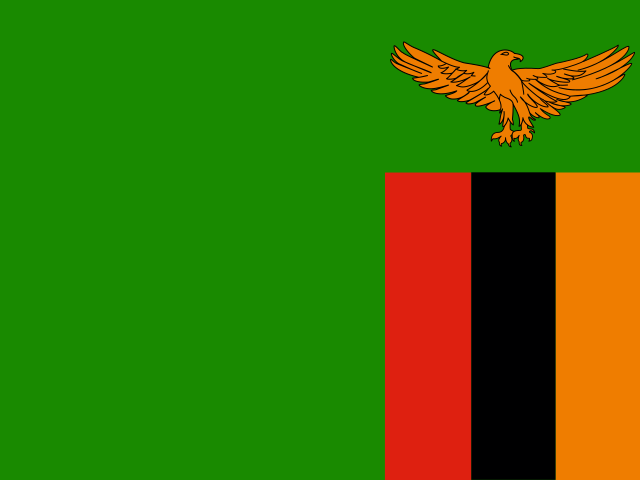
Sambia: Hauptstadt, Einwohner, Fläche und Flagge
Sambia ist ein Land in Ostafrika (Afrika). Die Hauptstadt ist Lusaka. Die Einwohnerzahl beträgt etwa 21,9 Mio. (Platz 61 von 193), die Fläche etwa 752.612 km² (Platz 38 von 193).
Wichtige Fakten
- Hauptstadt
- Lusaka
- Region
- Afrika / Ostafrika
- Einwohnerzahl
- 21.913.874 (2025) Platz 61 von 193
- Gesamtfläche
- 752.612 km² (2024) Platz 38 von 193
- Bevölkerungsdichte
- 28,7 Einwohner/km² (2024) Platz 154 von 193
- Bruttoinlandsprodukt (BIP) insgesamt
- 28,9 Mrd. $ (2025) Platz 114 von 189
- BIP pro Kopf
- 1.318 $ (2025) Platz 166 von 189
- Lebenserwartung
- 66,5 Jahre (2024) Platz 157 von 193
- Entfernung von Japan
- 12.916 km Platz 55 von 192
- Fläche im Vergleich zu Japan
- etwa das 2,0-Fache Japans
- Bevölkerung im Vergleich zu Japan
- etwa 1/6 von Japan
- Hauptsprachen
- Englisch
- Währung
- Kwacha (ZMW)
- Landesvorwahl
- +260
- Zeitzone (Hauptstadt)
- UTC+2
- Zeitunterschied zu Japan (Normalzeit)
- 7 Std. früher als in Japan
- Fahrtrichtung
- Linksverkehr
- Lage der Hauptstadt
- 15.42°S 28.28°E
Bevölkerung von Sambia, 1950–2100 (auf Japanisch)
Sieh dir frühere Schätzungen, künftige Prognosen und die Bevölkerungspyramide in der Weltbevölkerungs-Zeitmaschine an.
Karte von Sambia
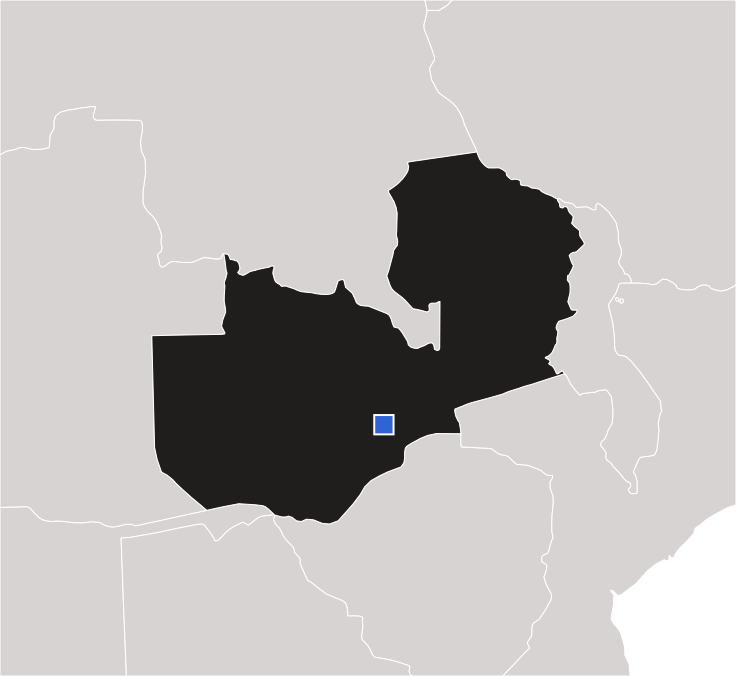
Hauptstadt: Lusaka
Sambia: unter den Top 10 der Welt bei Essen & Landwirtschaft
Sambia gehört bei diesen Feldfrüchten, Tieren, Fischen, Meeresfrüchten und landwirtschaftlichen Erzeugnissen weltweit zu den Top 10 (neueste FAO-Daten).
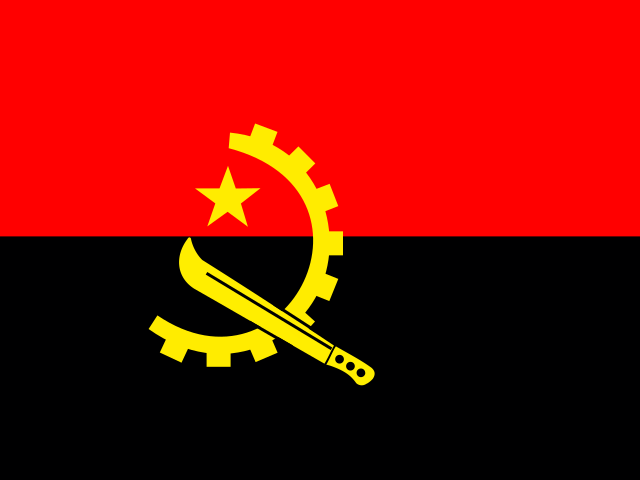
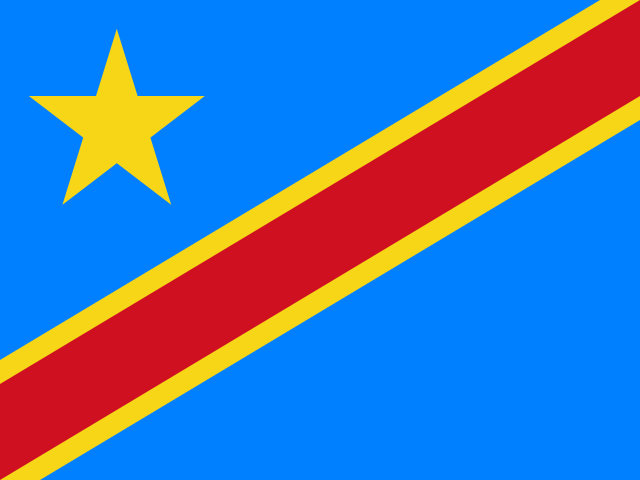
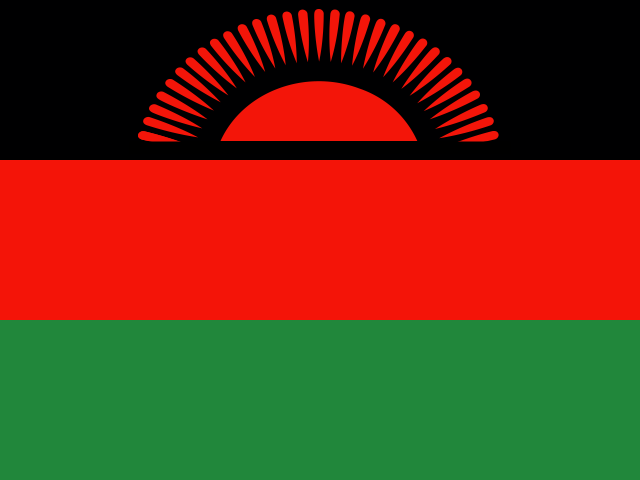
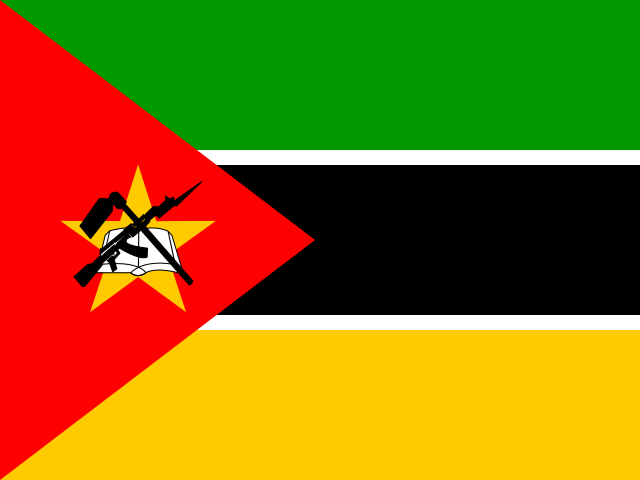
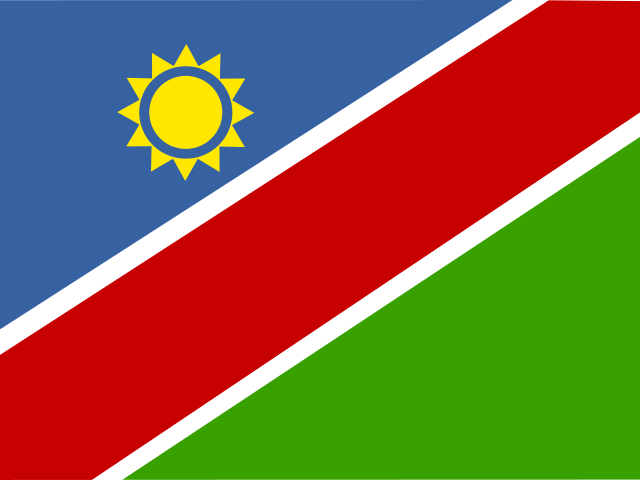
Nachbarländer an Land
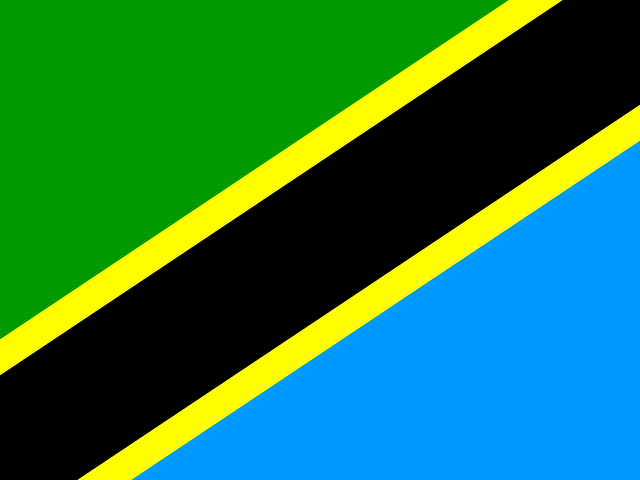
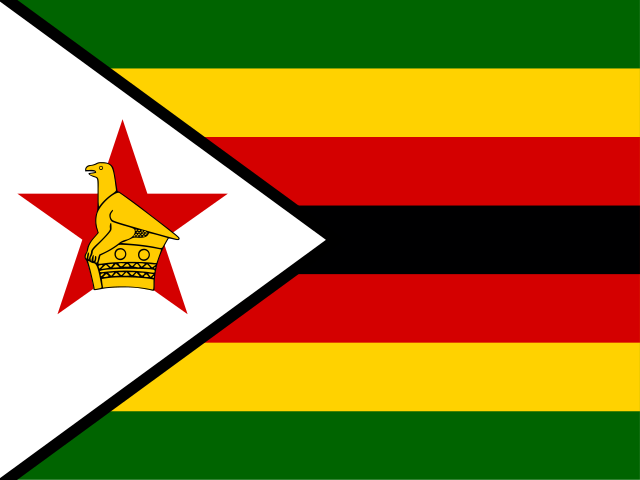
Spitzenplätze
Sambia gehört zu den Top 10 bei:
Sambia in den Weltranglisten
So schneidet Sambia im Vergleich mit anderen Ländern ab, Kennzahl für Kennzahl. Eine Kennzahl anklicken, um die ganze Rangliste zu sehen.
| Kennzahl | Wert | Jahr | Platz |
|---|---|---|---|
| Geografie & Natur | |||
| Gesamtfläche | 752.612 km² | 2024 | Platz 38 von 193 |
| Anzahl der Landgrenzen | 7 | Platz 10 von 193 gleichauf | |
| Breitengrad der Hauptstadt | -15,4° | Platz 173 von 193 | |
| Entfernung von Japan | 12.916 km | Platz 55 von 192 | |
| Waldfläche (Anteil an der Landfläche) | 60,5 % | 2024 | Platz 29 von 193 |
| Ackerland (Anteil an der Landfläche) | 5,1 % | 2024 | Platz 131 von 190 |
| Schutzgebiete an Land (Anteil an der Landfläche) | 41,3 % | 2025 | Platz 7 von 192 |
| Landwirtschaftsfläche (Anteil an der Landfläche) | 32,1 % | 2024 | Platz 113 von 192 |
| Durchschnittlicher Jahresniederschlag | 1.020 mm | 2022 | Platz 94 von 180 |
| Süßwasservorkommen pro Kopf | 3.980 m³ | 2022 | Platz 70 von 181 |
| Waldfläche | 448.743 km² | 2025 | Platz 18 von 193 |
| Menschen & Bevölkerung | |||
| Einwohnerzahl | 21.913.874 | 2025 | Platz 61 von 193 |
| Bevölkerungsdichte | 28,7 Einwohner/km² | 2024 | Platz 154 von 193 |
| Bevölkerungswachstum | 2,77 % | 2025 | Platz 19 von 193 |
| Stadtbevölkerung (Anteil der Bevölkerung) | 45,9 % | 2025 | Platz 137 von 193 |
| Lebenserwartung | 66,5 Jahre | 2024 | Platz 157 von 193 |
| Fertilitätsrate (Kinder pro Frau) | 4,04 Geburten pro Frau | 2024 | Platz 25 von 193 |
| Säuglingssterblichkeit | 34,6 pro 1.000 Geburten | 2024 | Platz 34 von 192 gleichauf |
| Geburtenrate (pro 1.000 Einwohner) | 32,7 pro 1.000 Einwohner | 2024 | Platz 19 von 193 |
| Anteil der Menschen ab 65 Jahren | 2,0 % | 2025 | Platz 191 von 193 |
| Anteil der Kinder von 0 bis 14 Jahren | 41,0 % | 2025 | Platz 18 von 193 |
| Lebenserwartung der Frauen | 68,9 Jahre | 2024 | Platz 159 von 193 |
| Lebenserwartung der Männer | 64,1 Jahre | 2024 | Platz 156 von 193 |
| Müttersterblichkeit | 85 pro 100.000 Geburten | 2023 | Platz 70 von 192 |
| Stadtbewohner in der größten Stadt (Anteil) | 34,5 % | 2025 | Platz 57 von 149 |
| Sterberate (pro 1.000 Einwohner) | 5,2 pro 1.000 Einwohner | 2024 | Platz 168 von 193 |
| Sterblichkeit von Kindern unter 5 Jahren (pro 1.000 Geburten) | 48,4 pro 1.000 Geburten | 2024 | Platz 32 von 192 |
| Bevölkerung im Alter von 15 bis 64 Jahren (Anteil der Bevölkerung) | 57,0 % | 2025 | Platz 167 von 193 |
| Wirtschaft | |||
| Bruttoinlandsprodukt (BIP) insgesamt | 28,9 Mrd. $ | 2025 | Platz 114 von 189 |
| BIP pro Kopf | 1.318 $ | 2025 | Platz 166 von 189 |
| BIP pro Kopf (Kaufkraftparität) | 4.379 $ | 2025 | Platz 159 von 185 |
| Wirtschaftswachstum | 3,8 % | 2025 | Platz 78 von 188 |
| Inflationsrate | 13,9 % | 2025 | Platz 16 von 179 |
| Arbeitslosenquote | 5,9 % | 2025 | Platz 74 von 178 |
| Exporte (Anteil am BIP) | 35,0 % | 2024 | Platz 87 von 168 |
| Importe (Anteil am BIP) | 27,6 % | 2024 | Platz 131 von 168 |
| Landwirtschaft (Anteil am BIP) | 4,1 % | 2025 | Platz 109 von 184 |
| Industrie (Anteil am BIP) | 35,3 % | 2025 | Platz 30 von 185 |
| Dienstleistungen (Anteil am BIP) | 57,0 % | 2025 | Platz 94 von 185 |
| Militärausgaben (Anteil am BIP) | 1,3 % | 2025 | Platz 101 von 155 |
| Einkommensungleichheit (Gini-Koeffizient) | 51,5 (0–100) | 2022 | Platz 6 von 149 |
| Warenexporte (insgesamt) | 13,3 Mrd. $ | 2025 | Platz 92 von 190 |
| Überweisungen von Arbeitskräften im Ausland (Anteil am BIP) | 1,4 % | 2025 | Platz 104 von 170 |
| Frauen im Erwerbsleben (Anteil der Frauen) | 56,4 % | 2025 | Platz 72 von 178 |
| Jugendarbeitslosigkeit | 10,5 % | 2025 | Platz 104 von 178 |
| Getreideproduktion | 1.761.004 t | 2024 | Platz 93 von 177 |
| Getreideertrag (pro Hektar Anbaufläche) | 2.318 kg/ha | 2024 | Platz 108 von 175 |
| Fisch- und Meeresfrüchteproduktion (Fang + Zucht) | 211.913 t | 2024 | Platz 64 von 193 |
| Fischfang (aus Meer, Flüssen und Seen) | 122.963 t | 2024 | Platz 73 von 193 |
| Aquakultur (gezüchtete Fische und Meeresfrüchte) | 88.950 t | 2024 | Platz 43 von 193 |
| Wachstum der Tierproduktion (2014–16 = 100) | 125,2 (Durchschnitt 2014–16 = 100) | 2024 | Platz 49 von 187 |
| Düngemitteleinsatz (pro Hektar Ackerland) | 79 kg/ha | 2024 | Platz 95 von 187 |
| Verarbeitendes Gewerbe (Anteil am BIP) | 8,7 % | 2025 | Platz 111 von 178 |
| Beschäftigung in der Landwirtschaft (Anteil der Beschäftigten) | 54,5 % | 2025 | Platz 18 von 178 |
| Hightech-Exporte (Anteil an den Exporten von Industriewaren) | 1,5 % | 2024 | Platz 139 von 168 |
| Ausländische Direktinvestitionen, Zuflüsse (Anteil am BIP) | 4,5 % | 2025 | Platz 42 von 187 |
| Erhaltene Entwicklungshilfe (Anteil am Nationaleinkommen) | 5,5 % | 2023 | Platz 42 von 132 |
| Erwerbspersonen (Anzahl) | 8.011.366 | 2025 | Platz 67 von 178 |
| Reserven an Devisen und Gold | 4,09 Mrd. $ | 2024 | Platz 108 von 169 |
| Extreme Armut (Anteil der Menschen mit weniger als 3,00 $ pro Tag) | 71,7 % | 2022 | Platz 5 von 132 |
| Alltag & Technik | |||
| Internetnutzer (Anteil der Bevölkerung) | 17,1 % | 2024 | Platz 178 von 186 |
| Mobilfunkverträge | 108,7 pro 100 Einwohner | 2024 | Platz 114 von 193 |
| Zugang zu Strom (Anteil der Bevölkerung) | 53,6 % | 2024 | Platz 175 von 193 |
| Gesundheitsausgaben (Anteil am BIP) | 6,0 % | 2023 | Platz 104 von 192 |
| Bildungsausgaben (Anteil am BIP) | 4,1 % | 2023 | Platz 98 von 179 |
| Ärztedichte | 0,32 pro 1.000 Einwohner | 2022 | Platz 145 von 188 |
| Frauenanteil im Parlament | 15,0 % | 2025 | Platz 149 von 192 |
| Festnetz-Breitbandanschlüsse | 0,8 pro 100 Einwohner | 2024 | Platz 157 von 192 |
| Beförderte Flugpassagiere | 321.739 | 2023 | Platz 122 von 152 |
| Unterernährung (Anteil der Bevölkerung) | 41,0 % | 2024 | Platz 4 von 165 |
| Saubere Brennstoffe zum Kochen (Anteil der Bevölkerung) | 10,0 % | 2024 | Platz 170 von 192 gleichauf |
| Verkehrstote | 20,5 pro 100.000 Einwohner | 2019 | Platz 68 von 183 |
| Masernimpfung (Anteil der Kinder) | 88,0 % | 2024 | Platz 111 von 192 gleichauf |
| Besuch weiterführender Schulen (Bruttoquote) | 56,8 % | 2024 | Platz 149 von 180 |
| Pflegekräfte und Hebammen (pro 1.000 Einwohner) | 2,94 pro 1.000 Einwohner | 2022 | Platz 112 von 190 |
| Tuberkulosefälle (pro 100.000 Einwohner) | 272 pro 100.000 Einwohner | 2024 | Platz 22 von 191 gleichauf |
| Gesundheitsausgaben pro Kopf | 80 $ | 2023 | Platz 153 von 192 |
| Umwelt | |||
| Strom aus erneuerbaren Energien (Anteil der Stromerzeugung) | 92,0 % | 2021 | Platz 12 von 187 |
| CO₂-Emissionen pro Kopf | 0,5 t CO₂-Äquivalent pro Kopf | 2024 | Platz 147 von 186 |
| CO₂-Emissionen (insgesamt) | 11,6 Mt CO₂-Äquivalent | 2024 | Platz 102 von 186 |
| Luftverschmutzung (Feinstaub PM2,5) | 20,2 µg/m³ | 2023 | Platz 80 von 192 |
| Energieverbrauch pro Kopf | 812 kg Öläquivalent pro Kopf | 2024 | Platz 100 von 146 |
| Erneuerbare Energien (Anteil am Endenergieverbrauch) | 83,0 % | 2021 | Platz 10 von 191 gleichauf |
| Stromverbrauch pro Kopf | 514 kWh pro Kopf | 2024 | Platz 119 von 146 |
| Strom aus Kernenergie (Anteil am gesamten Strom) | 0,0 % | 2021 | Platz 33 von 190 gleichauf |
| Strom aus Wasserkraft (Anteil am gesamten Strom) | 78,5 % | 2024 | Platz 19 von 190 |
| Treibhausgasemissionen (insgesamt) | 38,5 Mt CO₂-Äquivalent | 2024 | Platz 94 von 186 |
| Süßwasserentnahme (Anteil an den inneren Ressourcen) | 2,0 % | 2022 | Platz 129 von 175 |
| Ernährung & Landwirtschaft | |||
| Weizen: Produktion | 198.886 t | 2024 | Platz 73 von 120 |
| Reis: Produktion | 24.566 t | 2024 | Platz 90 von 114 |
| Mais: Produktion | 1.511.143 t | 2024 | Platz 53 von 160 |
| Gerste: Produktion | 8.154 t | 2024 | Platz 86 von 100 |
| Sorghum: Produktion | 2.865 t | 2024 | Platz 84 von 107 |
| Hirse: Produktion | 15.390 t | 2024 | Platz 41 von 73 |
| Kartoffeln: Produktion | 34.153 t | 2024 | Platz 118 von 150 |
| Maniok: Produktion | 3.127.778 t | 2024 | Platz 19 von 92 |
| Süßkartoffeln: Produktion | 83.542 t | 2024 | Platz 47 von 105 |
| Sojabohnen: Produktion | 169.700 t | 2024 | Platz 34 von 101 |
| Erdnüsse: Produktion | 87.655 t | 2024 | Platz 36 von 108 |
| Trockenbohnen: Produktion | 38.937 t | 2024 | Platz 54 von 105 |
| Sonnenblumenkerne: Produktion | 44.128 t | 2024 | Platz 35 von 73 |
| Tomaten: Produktion | 25.982 t | 2024 | Platz 109 von 164 |
| Zwiebeln: Produktion | 41.224 t | 2024 | Platz 88 von 139 |
| Orangen: Produktion | 4.152 t | 2024 | Platz 89 von 112 |
| Bananen: Produktion | 684 t | 2024 | Platz 106 von 113 |
| Ananas: Produktion | 10.688 t | 2024 | Platz 51 von 82 |
| Kaffee: Produktion | 8.796 t | 2024 | Platz 37 von 74 |
| Tee: Produktion | 971 t | 2024 | Platz 38 von 45 |
| Zuckerrohr: Produktion | 4.893.717 t | 2024 | Platz 32 von 93 |
| Baumwolle (Faser): Produktion | 18.400 t | 2023 | Platz 38 von 85 |
| Tabak: Produktion | 20.768 t | 2024 | Platz 27 von 117 |
| Schwarzer Pfeffer (Piper spp.): Produktion | 63 t | 2024 | Platz 41 von 45 |
| Rindfleisch: Produktion | 221.927 t | 2024 | Platz 49 von 181 |
| Schweinefleisch: Produktion | 35.946 t | 2024 | Platz 72 von 164 |
| Hühnerfleisch: Produktion | 51.237 t | 2024 | Platz 106 von 183 |
| Kuhmilch: Produktion | 525.394 t | 2024 | Platz 91 von 178 |
| Hühnereier: Produktion | 66.299 t | 2024 | Platz 74 von 167 |
| Honig: Produktion | 881 t | 2024 | Platz 91 von 122 |
| Schaffleisch (Hammel und Lamm): Produktion | 928 t | 2024 | Platz 120 von 172 |
| Ziegenfleisch: Produktion | 17.032 t | 2024 | Platz 44 von 164 |
| Butter (mit Ghee): Produktion | 1.718 t | 2023 | Platz 94 von 124 |
| Käse (alle Sorten): Produktion | 6.062 t | 2023 | Platz 89 von 105 |
| Nil-Tilapien: Produktion | 69.875 t | 2024 | Platz 8 von 79 |
| Karpfen: Produktion | 30 t | 2024 | Platz 74 von 97 gleichauf |
| Afrikanische Raubwelse: Produktion | 40 t | 2024 | Platz 51 von 63 gleichauf |
| Karpfen und andere Karpfenfische: Produktion | 30 t | 2024 | Platz 96 von 115 gleichauf |
| Tilapien und andere Buntbarsche: Produktion | 85.720 t | 2024 | Platz 16 von 119 |
| Rinder: Anzahl der Tiere | 4.887.687 Tiere | 2024 | Platz 54 von 183 |
| Schweine: Anzahl der Tiere | 1.501.285 Tiere | 2024 | Platz 53 von 165 |
| Hühner: Anzahl der Tiere | 41.553.000 Vögel | 2024 | Platz 71 von 181 |
| Schafe: Anzahl der Tiere | 330.243 Tiere | 2024 | Platz 112 von 173 |
| Ziegen: Anzahl der Tiere | 6.011.286 Tiere | 2024 | Platz 33 von 180 |
| Esel: Anzahl der Tiere | 2.261 Tiere | 2024 | Platz 86 von 104 |
Fragen zu Sambia
Was ist die Hauptstadt von Sambia?
Die Hauptstadt von Sambia ist Lusaka.
Wie viele Einwohner hat Sambia?
Die Einwohnerzahl von Sambia beträgt etwa 21,9 Mio. (2025). Im Weltvergleich: Platz 61 von 193.
Wie groß ist Sambia?
Die Fläche von Sambia beträgt etwa 752.612 km². Im Weltvergleich: Platz 38 von 193.
Auf welchem Kontinent liegt Sambia?
Sambia liegt in Afrika, in der Region Ostafrika.
Welche Währung und welche Sprachen gibt es in Sambia?
Währung: Kwacha. Hauptsprachen: Englisch.
Wie groß ist Sambia im Vergleich zu Japan, und wie viele Menschen leben dort?
Die Fläche von Sambia beträgt etwa das 2,0-Fache Japans, die Bevölkerung etwa 1/6 von Japan.
Wie weit ist Sambia von Japan entfernt?
Die Hauptstadt Lusaka liegt etwa 12.916 km Luftlinie von Tokio, der Hauptstadt Japans, entfernt.
Wie groß ist der Zeitunterschied zwischen Sambia und Japan?
Die Hauptstadt Lusaka liegt in der Normalzeit bei UTC+2: 7 Std. früher als in Japan.
Weitere Länder in Ostafrika
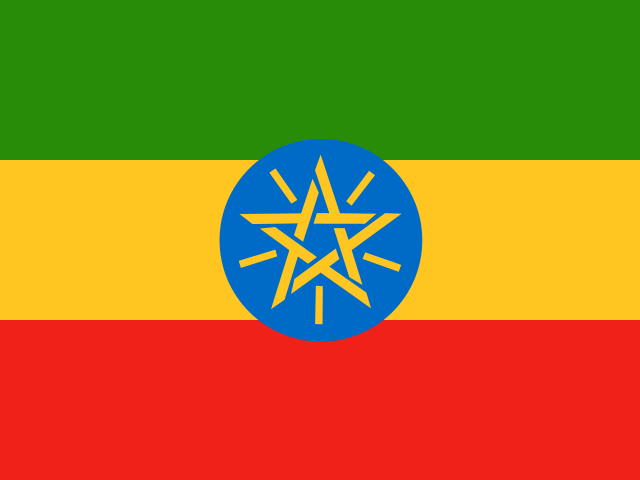
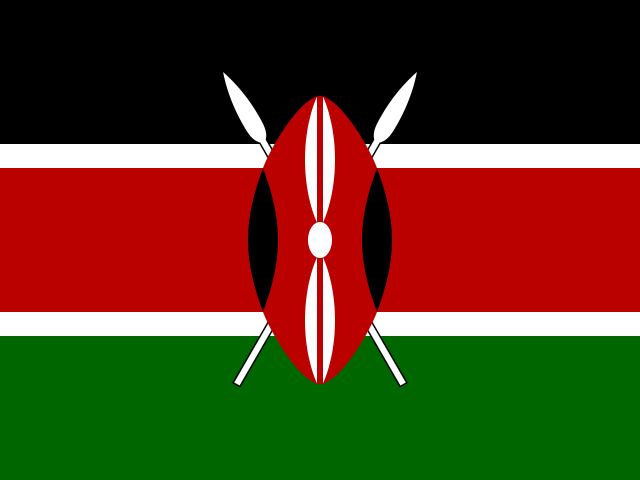
Mit Sambia spielen
Im Quiz testen, was Sie gelernt haben.