Flag of Lithuania

Lithuania: capital, population, area and flag

Lithuania is a country in Northern Europe (Europe). Its capital is Vilnius. The population is about 2.89M (#136 of 193) and the area is about 65,290 km² (#121 of 193).

Key facts

Capital
Vilnius
Region
Europe / Northern Europe
Population
2,888,774 (2025) #136 of 193
Total area
65,290 km² (2024) #121 of 193
Population density
46.1 people/km² (2024) #138 of 193
GDP (total)
$95.2B (2025) #78 of 189
GDP per capita
$32,959 (2025) #38 of 189
Life expectancy
77.2 years (2024) #66 of 193
Distance from Japan
8,186 km #139 of 192
Area compared with Japan
about 1/6 that of Japan
Population compared with Japan
about 1/43 that of Japan
Main languages
Lithuanian
Currency
Euro (EUR)
Calling code
+370
Time zone (capital)
UTC+2 (observes daylight saving time)
Time difference from Japan (standard time)
7 h behind Japan
Driving side
Right
Capital location
54.69°N 25.28°E

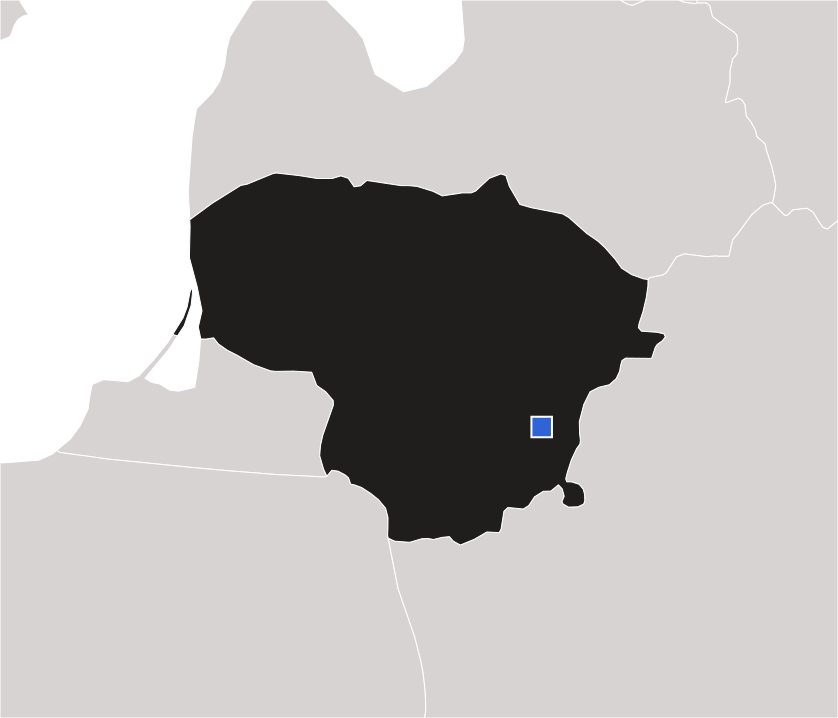
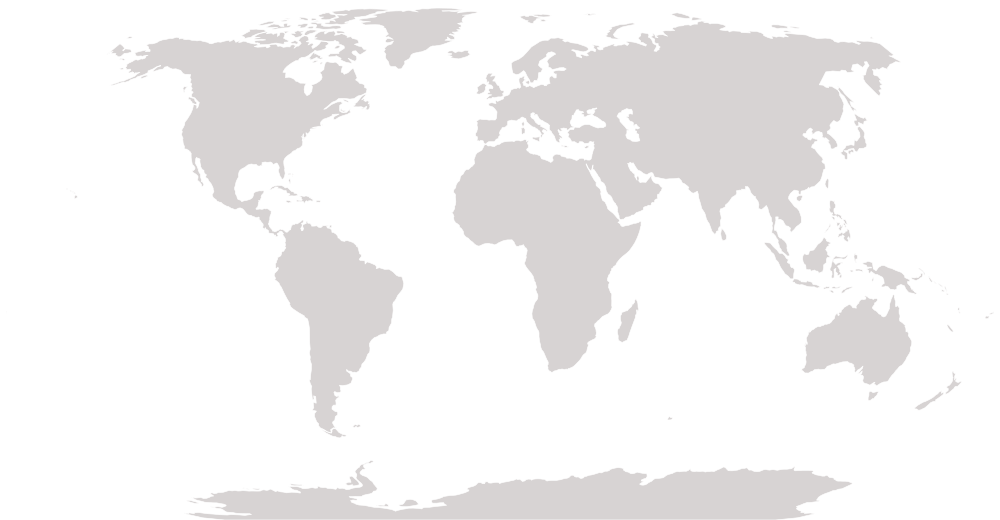
Map of Lithuania

Map of Lithuania

Capital: Vilnius

Neighbors by land
Top rankings

Lithuania is in the top 10 for:

Lithuania in world rankings

How Lithuania compares with other countries, indicator by indicator. Click an indicator to see the full ranking.

IndicatorValueYearRank
Geography & nature
Total area65,290 km²2024#121 of 193
Number of land borders4#56 of 193 tied
Latitude of the capital54.7°#9 of 193
Distance from Japan8,186 km#139 of 192
Forest area (share of land)35.4%2024#85 of 193
Arable land (share of land)36.7%2024#15 of 190
Protected land (share of land)18.0%2025#94 of 192
Agricultural land (share of land)45.6%2024#74 of 192
Average annual rainfall656 mm2022#120 of 180
Freshwater resources per person5,460 m³2022#66 of 181
Forest area22,163 km²2025#104 of 193
Marine protected areas (share of territorial waters)23.2%2025#20 of 153
People & population
Population2,888,7742025#136 of 193
Population density46.1 people/km²2024#138 of 193
Population growth rate0.02%2025#155 of 193
Urban population (share of people)69.1%2025#79 of 193
Life expectancy77.2 years2024#66 of 193
Fertility rate1.11 births per woman2024#186 of 193
Infant mortality rate2.8 per 1,000 births2024#169 of 192 tied
Birth rate6.6 per 1,000 people2024#186 of 193 tied
Share of people aged 65 and over20.7%2025#27 of 193
Share of children aged 0–1414.5%2025#169 of 193
Life expectancy of women81.6 years2024#49 of 193
Life expectancy of men73.0 years2024#77 of 193
Maternal mortality ratio8 per 100,000 births2023#150 of 192 tied
City dwellers living in the largest city (share)27.1%2025#82 of 149
Death rate (per 1,000 people)13.0 per 1,000 people2024#12 of 193
Under-5 mortality (per 1,000 births)3.4 per 1,000 births2024#169 of 192
Population aged 15–64 (share of population)64.8%2025#87 of 193
Economy
GDP (total)$95.2B2025#78 of 189
GDP per capita$32,9592025#38 of 189
GDP per capita (PPP)$56,8382025#36 of 185
Economic growth rate2.9%2025#106 of 188
Inflation rate3.8%2025#69 of 179
Unemployment rate6.7%2025#62 of 178
Exports (share of GDP)73.0%2025#19 of 168
Imports (share of GDP)69.1%2025#30 of 168
Agriculture (share of GDP)2.3%2025#139 of 184
Industry (share of GDP)22.1%2025#109 of 185
Services (share of GDP)64.8%2025#45 of 185
Military spending (share of GDP)3.1%2025#30 of 155
Income inequality (Gini index)36.0 (0–100)2023#63 of 149 tied
Goods exports (total)$41.6B2025#61 of 190
Money sent home by workers abroad (share of GDP)1.4%2025#102 of 170
Women in the labor force (share of women)57.7%2025#60 of 178
Youth unemployment rate13.8%2025#83 of 178
Cereal production5,707,790 t2024#51 of 177
Cereal yield (per hectare of farmland)4,387 kg/ha2024#54 of 175
Fish and seafood production (catch + farmed)81,743 t2024#92 of 193
Fish catch (from sea, rivers and lakes)77,303 t2024#87 of 193
Aquaculture (farmed fish and seafood)4,440 t2024#104 of 193
Livestock production growth (2014–16 = 100)90.9 (2014–16 average = 100)2024#163 of 187
Fertilizer use (per hectare of arable land)93 kg/ha2024#93 of 187
Manufacturing (share of GDP)13.1%2025#61 of 178
Employment in agriculture (share of jobs)4.7%2025#134 of 178
High-technology exports (share of manufactured exports)17.3%2024#43 of 168
Foreign direct investment, inflows (share of GDP)3.2%2025#61 of 187
Labor force (number of people)1,553,9182025#132 of 178
Reserves of foreign currency and gold$7.06B2025#89 of 169
Extreme poverty (share living on less than $3.00 a day)1.1%2023#69 of 132 tied
Daily life & technology
Internet users (share of people)89.2%2024#62 of 186
Mobile phone subscriptions138.7 per 100 people2024#41 of 193
Access to electricity (share of people)100.0%2024#1 of 193 tied
Health spending (share of GDP)7.6%2024#71 of 192
Education spending (share of GDP)4.3%2022#89 of 179
Hospital beds5.7 per 1,000 people2022#18 of 157
Doctors4.47 per 1,000 people2022#19 of 188
Research spending (share of GDP)1.05%2023#38 of 130
Women in parliament (share of seats)28.4%2025#86 of 192
University and college enrollment75.6%2024#40 of 163
Fixed broadband subscriptions27.8 per 100 people2024#58 of 192
Air passengers carried29,2562022#146 of 152
Safe drinking water (share of people)96.7%2024#37 of 136
Safe sanitation (share of people)96.4%2024#19 of 136
Undernourishment (share of people)2.5%2024#102 of 165 tied
Clean cooking fuels (share of people)99.0%2024#45 of 192 tied
Road traffic deaths8.1 per 100,000 people2019#136 of 183 tied
Measles vaccination (share of children)86.0%2024#120 of 192 tied
Secondary school enrollment (gross)104.9%2024#39 of 180
Primary school completion rate100.1%2024#32 of 172
Nurses and midwives (per 1,000 people)7.84 per 1,000 people2022#33 of 190
Tuberculosis cases (per 100,000 people)31 per 100,000 people2024#113 of 191
Health spending per person$2,2322024#38 of 192
Container port traffic (TEU)1,068,771 TEU2024#65 of 150
Environment
Renewable electricity (share of power)65.6%2021#43 of 187
CO₂ emissions per person4.5 t CO₂e per person2024#53 of 186
CO₂ emissions (total)13.0 Mt CO₂e2024#97 of 186
Air pollution (PM2.5)10.7 µg/m³2023#150 of 192
Energy use per person2,552 kg oil eq. per person2024#40 of 146
Renewable energy (share of final energy use)33.2%2021#75 of 191
Electricity consumption per person4,397 kWh per person2025#51 of 146
Electricity from nuclear power (share of total)0.0%2021#33 of 190 tied
Electricity from hydropower (share of total)8.2%2025#104 of 190
Greenhouse gas emissions (total)21.5 Mt CO₂e2024#117 of 186
Freshwater withdrawal (share of internal resources)1.9%2022#130 of 175
Food & farming
Wheat: production4,219,300 t2024#29 of 120
Maize (corn): production111,740 t2024#101 of 160
Barley: production748,510 t2024#33 of 100
Oats: production236,710 t2024#23 of 74
Rye: production60,500 t2024#24 of 62
Potatoes: production265,330 t2024#86 of 150
Soybeans: production2,040 t2024#83 of 101
Rapeseed (canola): production868,000 t2024#14 of 63
Dry peas: production216,170 t2024#13 of 95
Tomatoes: production7,650 t2024#129 of 164
Onions: production26,340 t2024#103 of 139
Cabbages: production60,130 t2024#63 of 143
Carrots (with turnips): production36,040 t2024#69 of 129
Cucumbers (with gherkins): production24,950 t2024#71 of 130
Lettuce (with chicory): production1,630 t2024#73 of 102
Cauliflower (with broccoli): production510 t2024#85 of 95
Mushrooms (with truffles): production3,040 t2024#32 of 63
Garlic: production830 t2024#84 of 102
Apples: production61,390 t2024#59 of 92
Strawberries: production2,710 t2024#59 of 80
Pears: production1,290 t2024#75 of 85
Plums (with sloes): production470 t2024#76 of 87
Cherries: production20 t2024#63 of 65 tied
Walnuts: production30 t2024#53 of 55 tied
Sugar beet: production1,119,870 t2024#28 of 57
Beef (cattle meat): production44,760 t2024#98 of 181
Pork (pig meat): production68,970 t2024#59 of 164
Chicken meat: production83,240 t2024#90 of 183
Cow’s milk: production1,526,130 t2024#62 of 178
Honey: production5,884 t2024#42 of 122
Sheep meat (mutton and lamb): production840 t2024#124 of 172
Goat meat: production40 t2024#142 of 164
Goat’s milk: production2,390 t2024#95 of 108
Butter (with ghee): production13,990 t2023#54 of 124
Cheese (all kinds): production119,498 t2023#32 of 105
Grass carp: production52 t2024#34 of 47
Common carp: production2,505 t2024#32 of 97
Bighead carp: production156 t2024#17 of 20
African sharptooth catfish: production808 t2024#24 of 63
Atlantic salmon: production0 t2024#20 of 22
Rainbow trout: production400 t2024#56 of 79
Atlantic herring: production1,062 t2024#17 of 19
Atlantic mackerel: production240 t2023#19 of 29
Atlantic cod: production516 t2024#16 of 20
Haddock: production1 t2023#17 of 17
Blue whiting: production20,781 t2024#11 of 21
European pilchard (sardine): production763 t2024#18 of 28
European anchovy: production0 t2023#36 of 36
European sprat: production11,032 t2024#11 of 24
Largehead hairtail (cutlassfish): production154 t2024#29 of 44
Shrimps and prawns: production6,829 t2024#46 of 114
Squids, cuttlefish and octopuses: production1 t2024#100 of 102
Tunas, bonitos and billfishes: production2,909 t2024#78 of 133
Carps and other cyprinids: production3,786 t2024#47 of 115
Herrings, sardines and anchovies: production13,046 t2024#61 of 108
Cods, hakes and haddocks: production21,332 t2024#24 of 65
Flatfishes (flounders, halibuts, soles): production233 t2024#61 of 91
Freshwater eels: production10 t2024#30 of 41
Cattle: number of animals599,770 animals2024#117 of 183
Pigs: number of animals496,790 animals2024#81 of 165
Chickens: number of animals10,476,000 birds2024#118 of 181
Sheep: number of animals124,410 animals2024#131 of 173
Goats: number of animals13,490 animals2024#155 of 180
Horses: number of animals12,827 animals2024#95 of 143
Ducks: number of animals12,000 birds2024#72 of 80 tied
Turkeys: number of animals140,000 birds2024#52 of 71

Questions about Lithuania

What is the capital of Lithuania?

The capital of Lithuania is Vilnius.

What is the population of Lithuania?

Lithuania has a population of about 2.89M (2025), #136 of 193 among countries.

How big is Lithuania?

Lithuania covers about 65,290 km², #121 of 193 among countries.

Which continent is Lithuania in?

Lithuania is in Europe, in the region of Northern Europe.

What currency and languages are used in Lithuania?

The currency is the Euro. Main languages: Lithuanian.

How does Lithuania compare with Japan in size and population?

The area of Lithuania is about 1/6 that of Japan, and its population is about 1/43 that of Japan.

How far is Lithuania from Japan?

The capital, Vilnius, is about 8,186 km from Tokyo, the capital of Japan, in a straight line.

What is the time difference between Lithuania and Japan?

The capital, Vilnius, is on UTC+2 in standard time: 7 h behind Japan. The difference changes by one hour during daylight saving time.

More countries in Northern Europe

Play with Lithuania

Test what you learned in the quiz.

Map puzzle Quiz Rankings

Back to top